


Researchers who study immigrant marriages have a name for what happens when two partners settle into a new country at different speeds: the acculturation gap. One study of Mexican-origin couples tied that mismatch to more conflict, more distress, and lower relationship quality over time. The green card doesn’t cause any of that. It clears the paperwork off the table and lets the real dynamic show.
The first year after approval is rarely the honeymoon couples expect. It’s a stranger stretch, where new assumptions creep in and old ones stop working.
Here are the ones that trip couples up most.
Myth: The Green Card Means the Case Is Closed
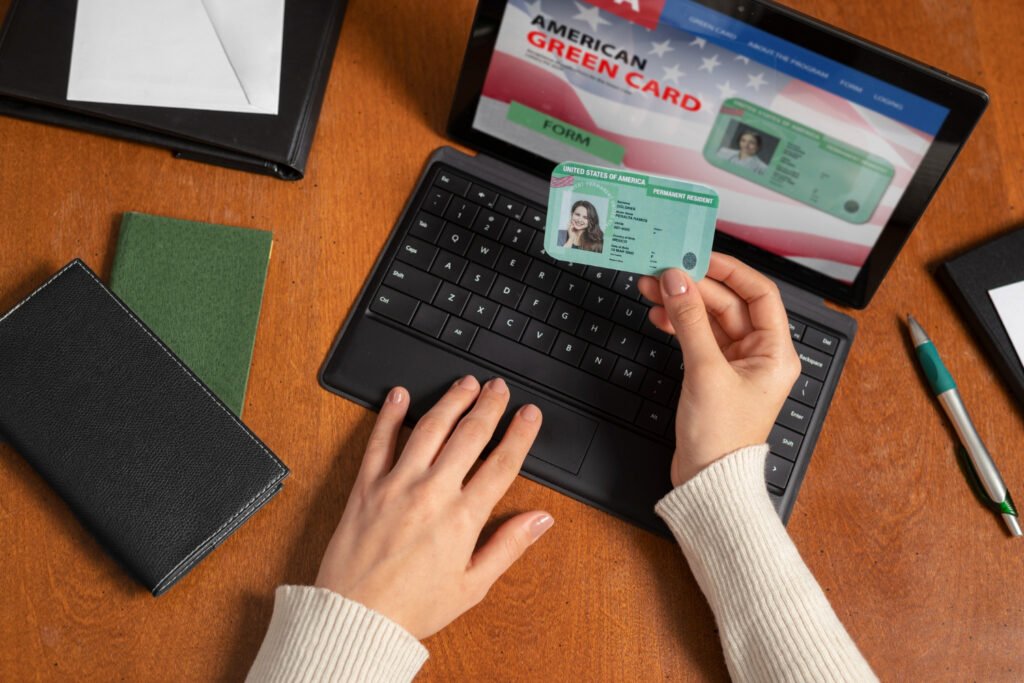
The card in the mail feels like a finish line, and the file says otherwise. If the marriage was less than two years old at the time of approval, the card issued is a conditional green card that expires in two years, and the couple has to file Form I-751 during the 90-day window right before that expiration to remove the conditions. Miss the window and status can lapse.
So the file goes dormant for about 21 months and then reopens. Couples who see this early tend to keep the joint documentation habits they built during the first case: shared lease, joint accounts, dated photos, travel records. The couples who assume they’re done end up rebuilding a paper trail from memory.
Myth: Life Goes Back to Normal Now
There is no old normal to go back to. The partner who moved gave up a job, a friend group, a language of small talk, and a sense of how ordinary errands work. The sponsoring partner spent months acting as translator, driver, and de facto case manager. Both roles were temporary, and neither ended cleanly. What tends to surface in month three or four:
- Career whiplash. The newly-resident spouse can finally work without restriction, then discovers the credential or license they held abroad doesn’t transfer. Rebuilding takes longer than either partner expected.
- Social imbalance. One spouse has a built-in network; the other is starting from zero. Weekends drift toward the sponsor’s people by default.
- Money renegotiation. Income ratios shift, sometimes sharply, and the couple has to talk about it out loud for the first time.
- Family pull. Parents and siblings abroad now have a legal foothold in the conversation about who visits, who sponsors next, and who pays for the flights.
Myth: The Emotional Dip Means Something Is Wrong With the Marriage
A slump in the first year is common enough that clinicians have written about it. Peer-reviewed work on immigrant women has linked longer residency to marital adjustment problems and depressive symptoms, with the marital piece doing much of the mediating. The strain shows up in the relationship because the relationship is where daily life is happening.
The dip is not a verdict. It’s information. Couples who name what changed, what got harder, and what’s actually grief for the old country tend to recover faster than couples who read the slump as a sign they picked wrong.
Myth: Citizenship Is Years Away, So There’s No Rush
Spouses of U.S. citizens can apply to naturalize after three years of permanent residence rather than five, provided they’ve been married to and living with the same citizen spouse for that whole stretch and they meet the physical-presence requirements. Time spent as a conditional resident counts toward those three years.
That changes the planning math. Extended trips home, long work assignments abroad, or a separation that stretches out for any reason can reset the clock without anyone noticing. Map travel against the residency requirements before booking anything long.
Myth: You Only Need a Lawyer for the Application Itself
The first case is only the loudest one. The I-751, a possible N-400, a parent or sibling petition down the line, a re-entry permit if work sends someone abroad: each has its own timing and its own failure modes. Couples who keep a working relationship with an immigration attorney through the conditional period tend to catch problems while they’re still fixable, rather than at the mailbox.
You don’t need constant hand-holding. You need someone who already knows the file when a question comes up in year two.
What Actually Helps in Year One
None of this is a warning against the marriage. It’s a warning against expecting the paperwork win to double as an emotional one. Couples who come through the first year in good shape tend to do a few boring things well:
- Keep the file alive. Save joint records as they happen, so you’re not hunting for them later.
- Name the gap. Talk about who is adjusting to what, and where the other partner can help.
- Protect the newcomer’s career. Credential evaluations, language classes, and a real job search plan matter more than a celebratory pause.
- Watch the calendar. The 90-day I-751 window and the three-year naturalization mark are both easy to miss and hard to fix after the fact.
The green card changed the legal status. The marriage is doing the rest of the work.