



Key Takeaways
- – Compare total ownership costs, not just the list price and mortgage payment.
- – Review flood maps, evacuation information, elevation, and insurance options early.
- – Inspect storm-related features, drainage, roofs, windows, and coastal structures carefully.
- – Visit the neighborhood at different times to understand traffic, noise, access, and seasonal activity.
- – Read HOA or condominium documents before committing to a shared community.
- – Consider maintenance demands and future resale appeal alongside the view.
Buying near Pensacola Bay, the Gulf, or Santa Rosa Sound can mean beautiful water views and an outdoor-focused lifestyle, but a smart purchase requires more than a strong first impression. Pensacola real estate agents Coastal Collective Group is a Greater Pensacola real estate team serving Pensacola, Gulf Breeze, Navarre, Pensacola Beach, and Navarre Beach, with experience in relocation, luxury, and waterfront transactions. Coastal Collective Group can help buyers compare the practical differences among neighborhoods and property types before they move forward with an offer.
Whether you are searching for a primary residence, retirement home, vacation property, or investment opportunity, evaluate the full ownership picture. Insurance, elevation, storm preparation, neighborhood access, maintenance, and shared-community rules can affect both day-to-day comfort and long-term costs.
Look Beyond the Purchase Price
The list price is only the starting point. Build a monthly and annual ownership worksheet that includes principal and interest, property taxes, homeowners’ insurance, flood coverage when needed, utilities, HOA dues, and routine repairs. A home with a lower purchase price may still cost more to own if it needs expensive insurance, has an aging roof, or includes a pool, dock, seawall, or extensive landscaping.
Salt air, humidity, strong sun, and frequent rain can also increase upkeep. Include room in your budget for exterior paint, corrosion control, HVAC service, drainage work, storm supplies, and repairs that may not be obvious during a quick showing.
Check Flood and Evacuation Information
Flood zones, evacuation zones, and storm-surge exposure are related but not the same. Start by searching the address in the FEMA Flood Map Service Center, then review local emergency management guidance and likely evacuation routes. Maps provide an important starting point, but they do not replace property-specific advice from an insurer, surveyor, lender, or qualified inspector.
A property outside a high-risk flood zone can still face drainage issues, heavy-rain flooding, or water intrusion during severe weather. Ask about prior water entry, standing water in the yard, drainage improvements, and the elevation of finished living areas.
Price Insurance Before Making an Offer
Request insurance estimates while you are seriously comparing homes, not after contract deadlines are close. Depending on the property and loan, buyers may need homeowners, windstorm, flood, or umbrella coverage. Roof age, construction type, proximity to water, prior claims, elevation, and protective openings can influence coverage options and cost.
The Florida Office of Insurance Regulation explains flood insurance considerations, including circumstances in which mortgage lenders may require coverage. Ask an insurance professional whether a wind mitigation inspection, a four-point inspection, an elevation certificate, or additional documentation will be useful for the specific home.
Review Storm-Resistant Features
A renovated kitchen does not tell you how well a home may perform during a storm. Review the roof installation date and permit history; impact-rated windows or shutters; exterior doors; garage-door protection; roof-to-wall connections; electrical panel; plumbing condition; and visible signs of prior water intrusion. Request available repair records, inspection reports, permits, and wind-mitigation documentation.
Study the Neighborhood, Not Just the House
The house can be improved after closing. Traffic patterns, bridge access, nearby commercial activity, and surrounding development cannot. Visit on a weekday morning, evening, weekend, and, if possible, during a busier beach or tourism period. Check real travel times to work, grocery stores, medical care, schools, and the places you expect to visit often.
Daily life can vary widely between inland Pensacola, Gulf Breeze, Navarre, Pensacola Beach, and Navarre Beach. Listen for road, marina, event, or nightlife noise, and look for drainage patterns after rain. Also, ask about planned construction, zoning changes, and access limitations that could affect the area later.
Inspect Waterfront and Coastal Features
Waterfront value involves more than the view from the porch. If the purchase includes a dock, lift, seawall, canal frontage, or shoreline, investigate its age, condition, permits, maintenance responsibility, water depth, bridge clearance, tidal conditions, and erosion history. A specialized marine contractor or qualified waterfront professional can provide a more focused review than a standard home inspection alone.

Read HOA and Condo Documents
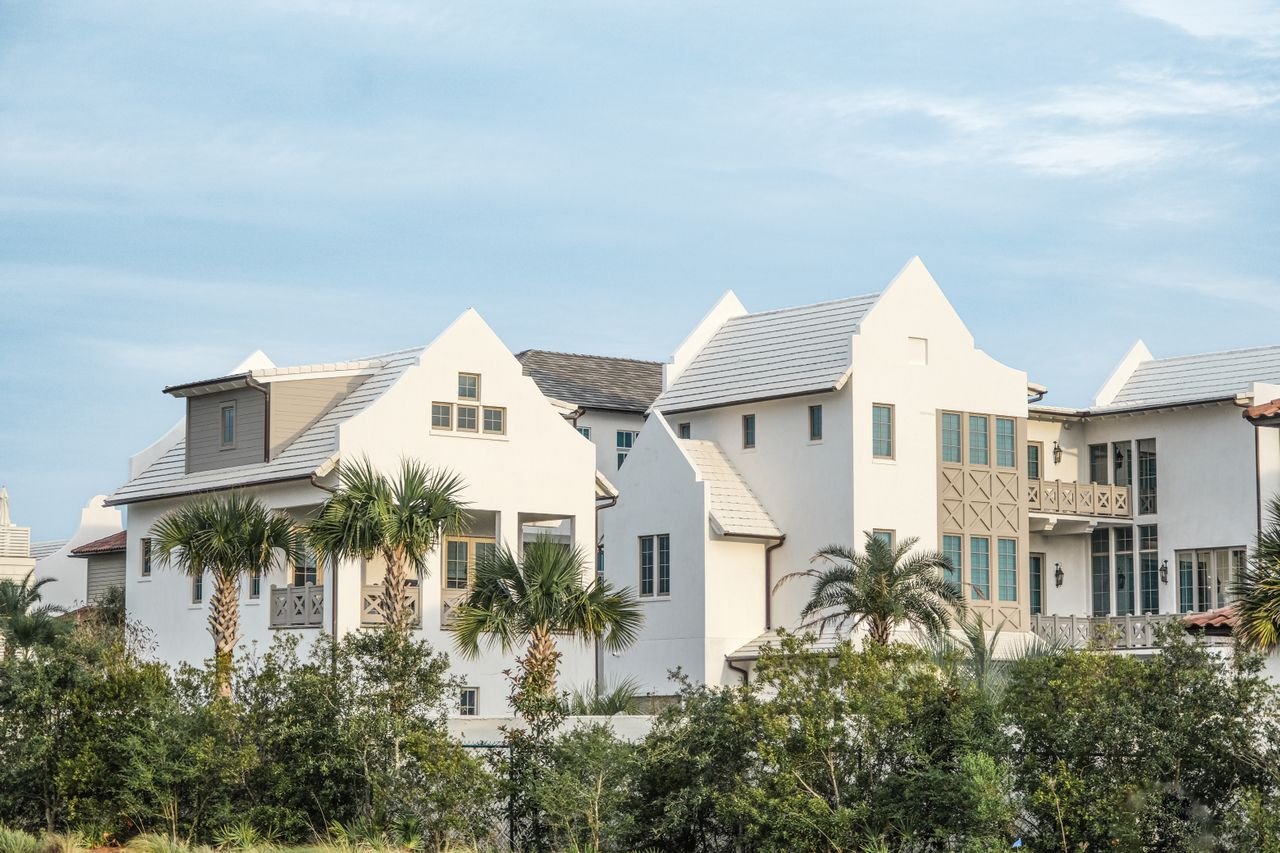
For a condominium or HOA property, inspect the community as carefully as you would inspect an individual unit or house. Request the current budget, reserve information, meeting minutes, master insurance details, rental rules, pet and parking policies, maintenance responsibilities, and records of recent or pending special assessments. A low monthly fee may not translate to lower future costs if significant repairs have been delayed.
Consider Maintenance and Resale
Coastal ownership often requires consistent attention to exterior finishes, metal components, roof wear, seals around windows and doors, HVAC performance, pool equipment, landscaping, and drainage. When comparing homes, think about the next likely buyer as well. Insurance affordability, parking, elevation, access, floor plan, and manageable maintenance can all support broader resale appeal.
Coastal Home Buyer Checklist
- 1. Confirm the property fits your daily lifestyle and travel needs.
- 2. Request current insurance quotes before making an offer.
- 3. Review flood, evacuation, and drainage information.
- 4. Check roof age, permits, and storm-protection features.
- 5. Inspect for water intrusion and grading concerns.
- 6. Review the HOA or condominium financial and rule documents.
- 7. Evaluate docks, seawalls, pools, and other specialty features.
- 8. Compare recent sales, inspections, insurance, and financing deadlines in writing.
Common Questions From Coastal Home Buyers
Is flood insurance always required for a coastal Florida home?
Not always. Requirements can depend on the flood zone, lender, loan type, and property details. Confirm the current requirement with your lender and a licensed insurance professional.
Should buyers avoid older coastal homes?
No. Age alone does not determine whether a home is a sound choice. Maintenance history, construction quality, roof condition, drainage, permits, updates, and insurability matter more.
Is a waterfront home worth the extra cost?
It can be, especially for buyers who will regularly use and value the water. However, the decision should account for higher maintenance, inspections, insurance, and potential repairs to coastal structures.
What is the biggest mistake coastal buyers make?
Falling in love with the view before examining the total cost of ownership, flood exposure, insurance details, maintenance needs, and neighborhood realities.
Conclusion
Buying a coastal home in the Pensacola area requires more than appreciating the view. By reviewing insurance, flood exposure, storm protection, maintenance, neighborhood conditions, and ownership costs, buyers can make a more informed choice. Careful inspections and document reviews can help ensure the property fits both current needs and long-term plans.