



Discover why adding a simple serving of beans to your daily meals can boost your heart, gut, energy, and budget. Learn the amazing health benefits of eating beans every day.
When it comes to superfoods, flashy berries and expensive powders often steal the spotlight. But one of the healthiest foods you can eat has probably been sitting quietly in your pantry all along.
Beans.
Whether you love black beans, chickpeas, kidney beans, cannellini beans, navy beans, pinto beans, or lentils, these humble legumes pack an incredible nutritional punch. They’re affordable, versatile, satisfying, and backed by decades of nutrition research.
If you’ve been looking for one simple habit that delivers big health benefits without breaking your grocery budget, eating beans every day deserves a spot at the top of your list.
Let’s dig into why.
Beans Are Tiny Nutrition Powerhouses
Don’t let their size fool you.
Beans are loaded with nutrients your body needs every single day, including:
- Plant-based protein
- Dietary fiber
- Iron
- Magnesium
- Potassium
- Folate
- Zinc
- B vitamins
- Antioxidants
Unlike many processed foods, beans naturally contain very little fat and no cholesterol. They’re also incredibly filling, making them an excellent choice for healthy eating.
The American Heart Association recommends including beans and other legumes as part of a heart-healthy eating pattern because they provide protein and fiber without the saturated fat commonly found in many animal proteins.
Your Heart Will Thank You

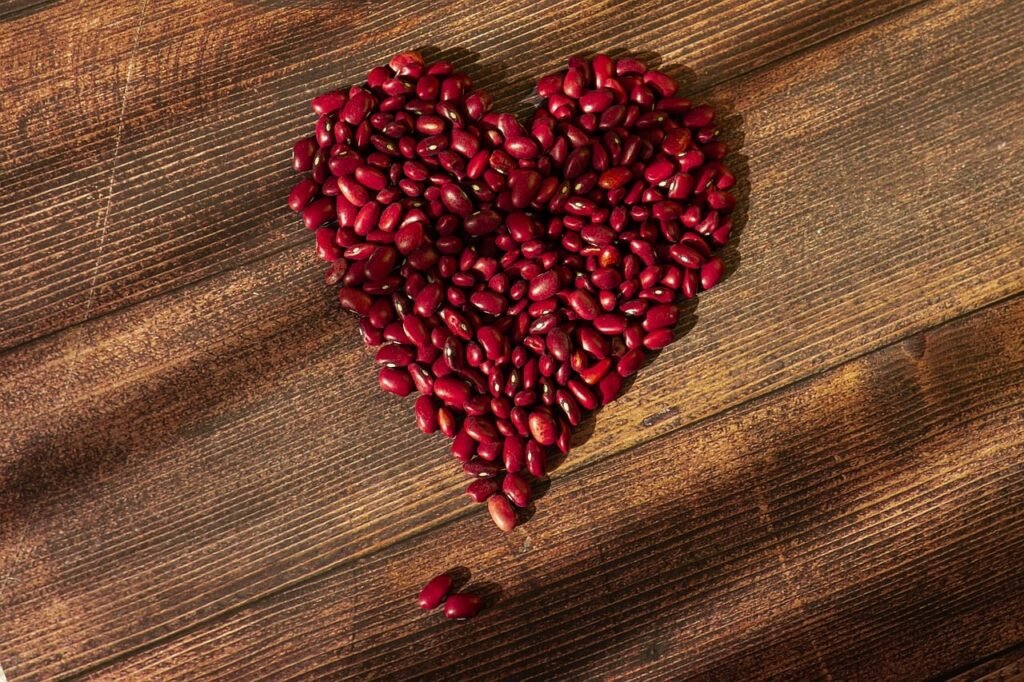
Heart disease remains one of the leading health concerns for women, but your daily food choices can make a meaningful difference.
Beans help support heart health because they:
- Help lower LDL (“bad”) cholesterol
- Provide soluble fiber
- Supply potassium for healthy blood pressure
- Replace higher-fat protein choices
- Contain antioxidants that help reduce inflammation
Current American Heart Association dietary guidance encourages choosing healthy plant proteins—including legumes—as part of an overall eating pattern that supports cardiovascular health. A very important health benefit of beans.
Your Gut Loves Beans
If your digestive system could write thank-you notes, beans would receive one every week.
Beans are among the richest natural sources of dietary fiber. Fiber feeds beneficial gut bacteria, helping them produce compounds that support digestive and overall health.
Eating more fiber may help:
- Promote regular digestion
- Support a healthier gut microbiome
- Keep you feeling fuller longer
- Help stabilize blood sugar
- Support healthy cholesterol levels
Unfortunately, most Americans eat far less fiber than recommended. Adding just one serving of beans daily is an easy way to close that gap.
Beans Help Keep You Full
Have you ever noticed that eating a sugary snack leaves you hungry again an hour later?
Beans work differently.
Their combination of protein and fiber slows digestion, helping you stay satisfied longer.
That means fewer energy crashes and less temptation to raid the snack drawer at 3 p.m.
For women working toward healthy weight management, this makes beans an excellent addition to meals without feeling deprived.
They’re Great for Blood Sugar
Beans have a relatively low glycemic impact compared with many refined carbohydrates.
Because they digest slowly, they help avoid rapid spikes and crashes in blood sugar.
Pairing beans with whole grains, vegetables, and healthy fats creates balanced meals that provide lasting energy throughout the day.
Beans Are Budget-Friendly
Healthy eating doesn’t have to be expensive.
In fact, beans are one of the most affordable nutritious foods in the grocery store.
Whether you buy:
- dried beans
- canned beans
- frozen cooked beans
you’ll usually spend far less than you would on many meat-based proteins.
Even better, one bag often makes multiple meals.
That’s good news for both your wallet and your weekly meal planning.
They’re Surprisingly Versatile
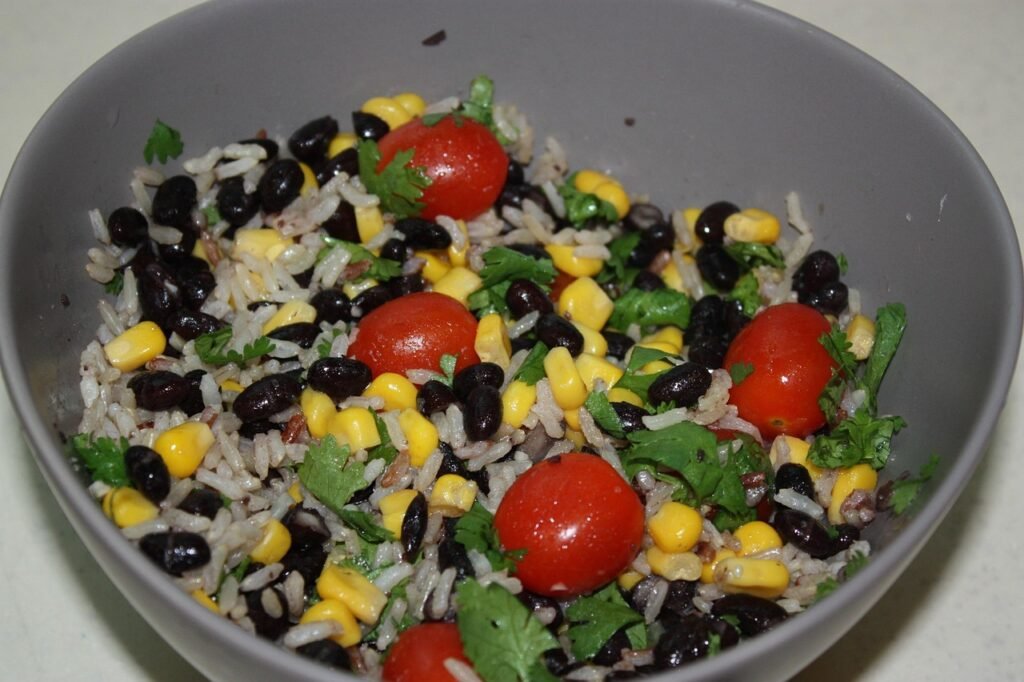
Forget boring bean soup.
Today’s recipes prove beans belong in almost everything.
Try adding them to:
- Taco bowls
- Salads
- Chili
- Soups
- Burritos
- Pasta dishes
- Grain bowls
- Veggie burgers
- Homemade hummus
- Breakfast scrambles
- Stuffed sweet potatoes
You can even blend white beans into creamy pasta sauces for extra nutrition without changing the flavor very much.
Worried About Gas?
Let’s address the elephant in the kitchen.
Yes, beans can cause gas—especially if your body isn’t used to eating much fiber.
The good news?
Your digestive system usually adapts within a few weeks.
To make the transition easier:
- Start with small servings.
- Increase gradually.
- Drink plenty of water.
- Rinse canned beans thoroughly.
- Soak dried beans before cooking.
- Use an Insta Pot or a Slow Cooker
Most people notice digestion improves as their gut bacteria adjust.
Canned Beans Are Perfectly Fine
No time to soak dried beans overnight?
No problem.
Canned beans are still an excellent option.
Choose varieties labeled:
- No salt added
- Low sodium
Then rinse them under running water before eating to remove much of the excess sodium. The American Heart Association recommends this simple step when using canned beans.
How Many Beans Should You Eat?
You don’t need enormous portions.
Aim for about ½ to 1 cup of cooked beans or lentils most days.
Mix different varieties throughout the week for a wider variety of nutrients and flavors.
Some favorites include:
- Black beans
- Pinto beans
- Chickpeas
- Kidney beans
- Cannellini beans
- Navy beans
- Lentils
- Black-eyed peas
Each offers its own unique blend of nutrients. Just half a cup of beans a day will provide many health benefits.
Easy Ways to Eat More Beans Every Day
Need inspiration?
Try one of these simple swaps:
Monday: Add black beans to tacos.
Tuesday: Toss chickpeas into your salad.
Wednesday: Make lentil soup.
Thursday: Spread hummus on your sandwich.
Friday: Stir white beans into pasta.
Saturday: Blend black beans into chili.
Sunday: Make a three-bean salad for meal prep.
Small habits add up quickly.
The Bottom Line
Sometimes the healthiest foods aren’t trendy—they’re timeless.
Beans have nourished people around the world for centuries, and modern nutrition science continues to support their impressive health benefits.
They’re packed with protein, fiber, vitamins, minerals, and antioxidants while remaining one of the most affordable foods in your grocery cart.
If you’re looking for one easy habit that supports your heart, digestion, energy, and overall wellness, adding beans to your plate every day is a delicious place to start.
Your body—and your grocery budget—may thank you.