


When it comes to food allergies, the answer to the inflammation question is a resounding “Yes!” But let’s break it down in a fun, easy-to-digest way.
The Inflammation Connection
Food allergies are your immune system’s way of throwing a tantrum. When you eat something your body considers a threat, it triggers an immune response that can lead to inflammation. This happens because your body releases chemicals like histamine to attack the “invader,” which is really just your breakfast.
This inflammation can show up in different ways depending on where your body decides to wage war. For some, it might be skin inflammation, causing rashes or hives. For others, it can manifest as swelling, digestive issues, or even respiratory problems. In severe cases, food allergies can trigger anaphylaxis, a potentially life-threatening reaction that requires immediate medical attention.
Common Inflammatory Culprits
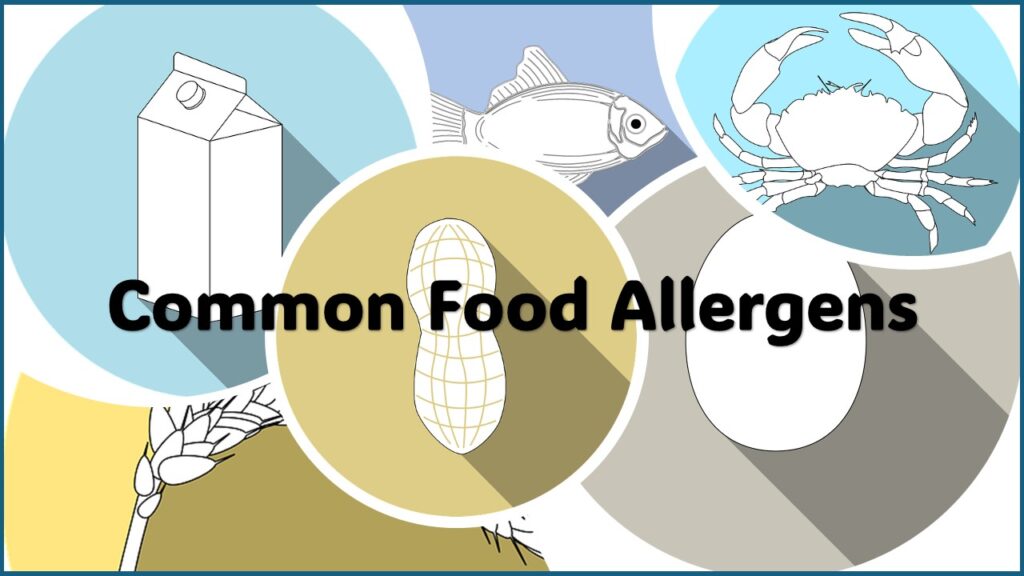
Some of the most common foods that cause allergic reactions include:
- Peanuts: Watch out for hidden peanut butter!
- Tree nuts: Think almonds, walnuts, and hazelnuts.
- Dairy: Lactose lovers beware; milk can be a big one.
- Shellfish: Shrimp, crab, and lobster are major triggers.
- Wheat: Not just for gluten-sensitive folks; wheat allergies are real.
- Eggs: Both whites and yolks can be problematic.
- Soy: A common ingredient that often sneaks into processed foods.
How Do You Know What You’re Allergic To?
Determining your food allergies can feel like playing detective. You might notice that every time you eat a certain food, something strange happens—itchy skin, stomach cramps, or difficulty breathing, for example. But how do you really know for sure? Here are some steps to help you get to the bottom of it:
1. Track Your Symptoms
Start by keeping a food diary. Write down everything you eat and any symptoms you experience afterward. Over time, you might notice a pattern that points to a particular food.
2. Elimination Diet
This involves removing suspected allergens from your diet for a few weeks, then slowly reintroducing them one at a time. If symptoms return when you add a specific food back into your diet, you’ve likely found your culprit. However, this process should be done under the guidance of a healthcare professional.
3. Allergy Testing
The most definitive way to know what you’re allergic to is through allergy testing. There are a few common types:
- Skin Prick Test: A small amount of the suspected allergen is placed on your skin, and then your skin is lightly pricked. If a raised bump appears, it could indicate an allergy.
- Blood Test: This test measures the level of specific antibodies (IgE) in your blood in response to different foods.
- Oral Food Challenge: Done under medical supervision, this test involves consuming small amounts of the suspected allergen to see if it triggers a reaction.
When to Seek Help
If you suspect you have a food allergy, don’t try to go it alone! It’s essential to consult with a healthcare provider, especially if you experience symptoms like difficulty breathing, swelling, or dizziness after eating. Food allergies can be serious, and getting an accurate diagnosis is key to managing them safely.
The Bottom Line
Yes, food allergies can cause inflammation, but the good news is that once you identify the trigger, you can avoid it and live a healthy, inflammation-free life. Whether you’re tracking symptoms, trying an elimination diet, or visiting an allergist, knowing what foods your body is reacting to is the first step toward feeling your best. Stay curious and be mindful of what your body is telling you—it’s the best way to keep inflammation in check!