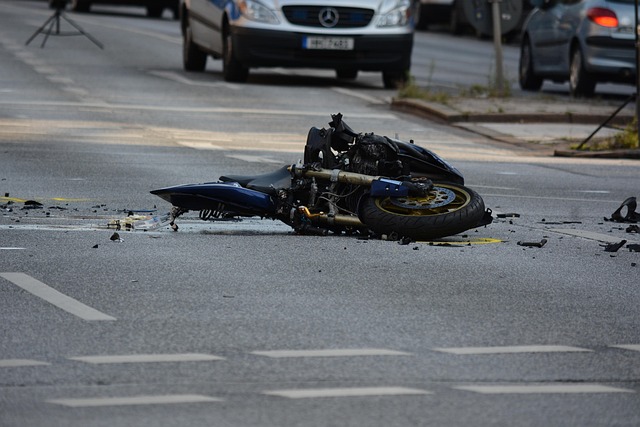
Eyewitness testimony plays a crucial role in the investigation of accidents and criminal cases. Individuals who witness an event can provide firsthand accounts that may help law enforcement piece together the sequence of events. However, the reliability of such testimony can be variable. Factors such as stress, lighting conditions, and the time elapsed since the incident can all affect a witness’s recollection. In many cases, witnesses may have differing perspectives on what transpired, leading to conflicting accounts that can complicate investigations. For victims of motorcycle crashes, eyewitness statements can be critical in pursuing legal recourse, helping to establish liability and support claims for medical expenses, lost wages, and other damages in civil court.
Moreover, the psychological phenomenon known as “memory distortion” can further cloud eyewitness accounts. Research has shown that memories are not static; subsequent information or discussions with others can influence them. This raises questions about the accuracy of eyewitness testimony, particularly in high-stress situations where details may be fleeting. As a result, while eyewitness accounts can provide valuable insights, they should be corroborated with other forms of evidence to ensure a comprehensive understanding of the incident.
Police Reports and Accident Reconstruction
Police reports serve as official documentation of an incident, detailing the facts as observed by law enforcement officers. These reports typically include information about the parties involved, witness statements, and any citations issued. They are essential for establishing a factual basis for further investigation and legal proceedings. However, the accuracy of police reports can depend on the thoroughness of the responding officers and their ability to gather information at the scene.
Accident reconstruction is a specialized field that utilizes physics and engineering principles to analyze how an accident occurred. Experts in this area can recreate the events leading up to a collision by examining vehicle damage, skid marks, and other physical evidence. This scientific approach can provide clarity in cases where eyewitness accounts are inconsistent or where the circumstances are complex. By combining police reports with reconstruction analysis, investigators can develop a more complete picture of the incident, which is vital for determining liability and preventing future occurrences.
Medical Records and Expert Testimony
Medical records are critical in understanding the impact of an accident on individuals involved. These documents provide a detailed account of injuries sustained, treatment received, and any long-term effects that may arise. In legal contexts, medical records can serve as evidence to support claims for damages or compensation. They offer an objective view of the physical consequences of an incident, which can be pivotal in court cases.
Expert testimony from medical professionals can further elucidate the implications of injuries sustained during an accident. Doctors and specialists can explain the nature of injuries, potential recovery times, and any lasting effects on a victim’s quality of life. Their insights can help juries and judges understand the severity of injuries beyond what is presented in medical records alone. This combination of documentation and expert analysis is essential for establishing a clear narrative regarding the physical toll of an accident.
Helmet and Protective Gear
The use of helmets and protective gear is a significant factor in mitigating injuries during accidents, particularly for motorcyclists and cyclists. Helmets are designed to absorb impact and protect the head from serious injury. Studies have consistently shown that wearing a helmet can significantly reduce the risk of head trauma in the event of an accident. However, despite this evidence, compliance with helmet laws varies widely across regions.
In addition to helmets, other forms of protective gear—such as padded jackets, gloves, and knee pads—can also play a role in reducing injuries. These items are designed to protect vulnerable areas of the body during falls or collisions. The presence or absence of such gear can be a critical factor in determining liability in accident cases. When evaluating an incident, investigators often consider whether individuals were wearing appropriate protective equipment at the time of the accident, as this can influence both legal outcomes and public safety discussions.
Dashcam and Surveillance Footage
Dashcam and surveillance footage have become increasingly important in accident investigations. These recordings provide objective visual evidence that can clarify what occurred during an incident. Dashcams installed in vehicles capture real-time footage of events leading up to a collision, while surveillance cameras positioned in public areas can offer additional perspectives on traffic patterns and behaviors.
The value of this footage lies in its ability to provide an unbiased account of events. Unlike eyewitness testimony, which can be influenced by personal perceptions, video evidence presents a factual record that can be analyzed frame by frame. This technology has proven particularly useful in resolving disputes over liability, as it allows investigators to assess actions taken by all parties involved in an accident. As dashcam technology becomes more prevalent among drivers, its role in legal proceedings is likely to expand further.
Vehicle Maintenance and Inspection Records
Vehicle maintenance and inspection records are essential for understanding the mechanical condition of a vehicle involved in an accident. Regular maintenance ensures that vehicles operate safely and efficiently; neglecting this responsibility can lead to malfunctions that contribute to accidents. Records detailing routine inspections, repairs, and any issues reported by drivers can provide insight into whether a vehicle was roadworthy at the time of an incident. Consulting a Welcome Law Firm motorcycle accident lawyer in New Haven can help ensure that these records are properly collected and used to support your case, strengthening your compensation claim.
In legal contexts, these records can be pivotal in determining liability. If a vehicle was found to have mechanical issues that contributed to an accident—such as brake failure or tire blowouts—this information could shift responsibility away from the driver to the vehicle owner or manufacturer. Conversely, if maintenance records indicate that a vehicle was well-maintained, it may bolster a driver’s defense against claims of negligence. Thus, thorough documentation of vehicle maintenance is crucial for both safety and legal accountability.
Weather and Road Conditions
Weather and road conditions are significant factors that can influence driving safety and accident rates. Adverse weather—such as rain, snow, fog, or ice—can create hazardous conditions that increase the likelihood of accidents. Investigators often examine weather reports from the time of an incident to assess how these factors may have contributed to a collision.
Road conditions also play a critical role in driving safety. Potholes, debris, or poorly marked lanes can create dangerous situations for drivers. In some cases, road design flaws or inadequate maintenance may be contributing factors in accidents. By analyzing both weather data and road conditions at the time of an incident, investigators can better understand how these elements interacted with driver behavior to produce an accident scenario.
Cell Phone and Electronic Device Data
In today’s digital age, cell phone and electronic device data have become increasingly relevant in accident investigations. Texting or using a phone while driving is a well-documented distraction that can lead to serious accidents. Investigators often seek access to cell phone records to determine whether a driver was engaged with their device at the time of an incident.
Moreover, data from navigation apps or vehicle telematics systems can provide additional context regarding driver behavior leading up to an accident. This information may reveal patterns such as speeding or erratic driving that could indicate negligence or recklessness. As technology continues to evolve, the role of electronic device data in accident investigations will likely grow, offering new avenues for understanding driver actions and improving road safety.
In conclusion, each element discussed—from eyewitness testimony to electronic device data—plays a vital role in constructing a comprehensive understanding of accidents and their aftermaths. By integrating various forms of evidence, investigators can develop clearer narratives that inform legal proceedings and enhance public safety measures. As technology advances and our understanding of human behavior deepens, these investigative tools will continue to evolve, shaping how we approach accident analysis in the future.

With a law degree under his belt, Mark Scott understood very early that law communication was a relatively neglected area. He decided to help people by “translating” the language and offering information and advice in a clear, useful, and actionable manner. For this reason, instead of finding him in court, you will most likely find his name online, where he is very active and thriving as a legal columnist. His part of making the world a better place is to make the law a less convoluted maze. He aims to make it easier for people to understand when and how to seek legal counsel, how to proceed in a significant number of legal matters, and to find the proper resources so they can stand up for their rights.