House hunting in the suburbs or out in the country comes with a whole new vocabulary. Septic tanks, well depth, pressure tanks, GPM ratings. If your dream home sits past the city water lines, you’ll inherit a small piece of plumbing infrastructure along with the keys, and it pays to understand what you’re signing up for.
A private water system isn’t scary, but it isn’t set-and-forget either. Knowing the basics before you close protects your budget, your family’s health, and the resale value of the place.
Here’s a practical walk-through, written for the buyer who’s never thought twice about where her tap water comes from.
Why private water is different from city water
City water arrives pre-treated, pressure-regulated, and monitored by a utility. With a private well, you’re the utility. That means you choose when to test the water, when to service the equipment, and which pump pushes that water from underground into your kitchen sink.
Federal drinking water rules don’t cover private wells, so testing and maintenance fall on the homeowner. General guidance on private wells is a good starting point if you’ve never owned one before. It’s not complicated, but it does require attention once or twice a year.
Questions to ask before you make an offer
A home inspection covers the obvious stuff like roofs and electrical panels. For a well home, you’ll want to dig a little deeper before signing anything. Ask the listing agent and current owner the following, and get answers in writing where you can.
- – Well age and depth. Older shallow wells are more vulnerable to surface contamination than newer deep ones. Ask for the well log if the county has one on file.
- – Pump location and type. Submersible pumps live down in the well; jet pumps sit above ground. Each has different repair costs and lifespans.
- – Recent water tests. Request results from the past year covering bacteria, nitrates, and any local concerns like arsenic or radon. If none exist, make testing a condition of your offer.
- – Flow rate. A well that produces only a couple of gallons per minute will struggle to run a shower and a dishwasher at the same time. Ask what the recovery rate is.
- – Service history. When was the pressure tank last replaced? Has the pump ever been pulled? Spotty records often mean spotty maintenance.
Understanding the pump, the part most buyers overlook
The pump is the heart of a private water system. If it fails on a Saturday night, you have no water until someone comes out to fix it. Most residential wells use a centrifugal-style pump, which moves water by spinning an impeller at high speed, and the same basic technology shows up everywhere from breweries to commercial dishwashers.
If you ever need to replace one, you’ll find a wide range of options from big-box brands to specialized manufacturers like American Stainless Pumps, which build customizable centrifugal units for industrial and commercial applications. Knowing the category your home pump falls into helps you have a smarter conversation with whoever services it. Ask your inspector to point out the make, model, and horsepower, and snap a photo for your records.
A quality pump installed correctly can last well over a decade. A cheap one wired badly may not see five years. When you’re budgeting for a well home, assume you’ll replace the pump at some point during ownership and set aside a small repair fund accordingly.
Water quality red flags to watch for
Once you move in, your nose, eyes, and skin will tell you a lot. Pay attention during the first few weeks, because the previous owner may have grown used to issues you’d rather not live with.
- – Rotten egg smell. Often hydrogen sulfide or sulfur bacteria. Not always dangerous, but unpleasant and usually fixable with a treatment system.
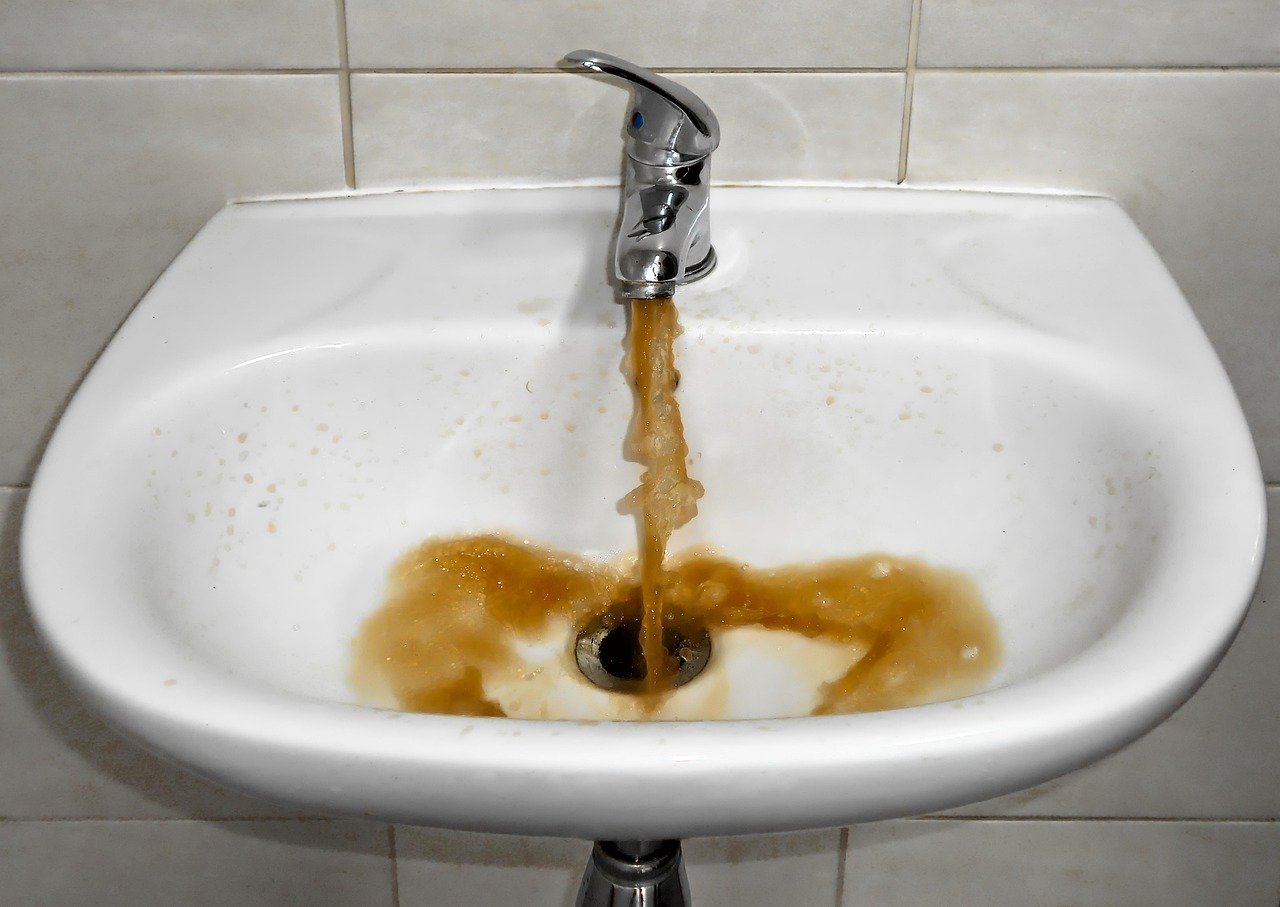
- – Orange or brown staining. Iron in the water. It ruins laundry and leaves rings in toilets and tubs.
- – Cloudy water at the tap. Could be air in the lines or sediment from a failing well screen. Worth a service call.
- – Soap that won’t lather. Classic sign of hard water. A softener solves it but adds another piece of equipment to maintain.
- – Sudden changes in taste. Any noticeable shift, especially after heavy rain or nearby construction, warrants a fresh test.
For health-related concerns, a plain-language explainer on hard water is worth a read before you spend money on filtration you may not need.
Budgeting beyond the mortgage
Owning a well home means a few line items city dwellers never think about. None of them are huge on their own, but they add up if you’re caught off guard.
- – Annual water testing. Basic bacteria and nitrate panels are inexpensive through your county health department. Comprehensive panels cost more but are worth doing every few years.
- – Pressure tank replacement. These wear out roughly every 10 to 15 years, depending on use and water quality.
- – Pump service or replacement. A submersible pump replacement is a meaningful repair because the well has to be pulled. Quotes vary widely, so get more than one.
- – Treatment equipment. Softeners, iron filters, and UV sterilizers each carry their own maintenance schedules and consumables.
- – Power backup. No electricity means no water, so a generator becomes more than a luxury once you’re on a well.
Make peace with being your own utility
Plenty of women happily run private water systems for decades without drama. The trick is to treat the system the way you’d treat your car: learn the basics, keep up with maintenance, and build a relationship with one good local pro before you need them at midnight.
Walk in informed, ask the right questions, and a well home goes from intimidating to liberating. You’ll have better-tasting water than most of your friends, lower monthly bills, and a quiet confidence that comes from knowing exactly where your water comes from and how to keep it flowing.