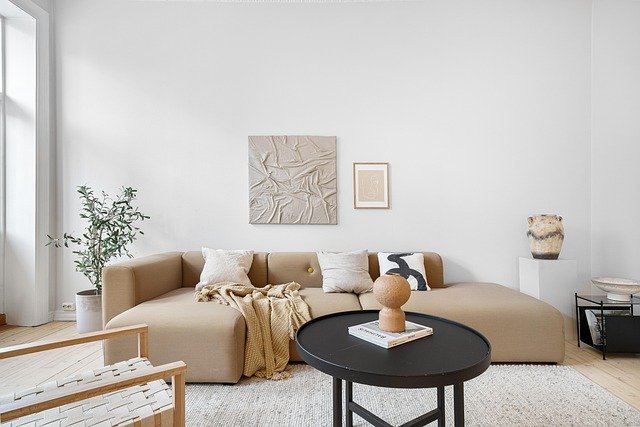
Doing nothing has a bad reputation. It sounds lazy, indulgent, even a little suspicious, as though every spare minute should be turned into exercise, admin, self-improvement, or a quick tidy-up that somehow becomes two hours of moving things from one room to another. But proper downtime isn’t wasted time. It’s the bit that lets the rest of life feel less like a series of tasks stacked on top of each other.
That’s why the spaces we create at home matter so much. A house doesn’t only need to support productivity, storage and routines; it also needs to make room for slower moments, whether that’s reading with no real deadline, lingering over lunch, or gathering around premium outdoor dining tables for your home when the weather is too good to stay inside. Rest becomes much easier when the setting gently encourages it.
Rest Is Easier When It Has Somewhere to Happen
Most people don’t struggle to relax because they’ve forgotten how. They struggle because their homes are often arranged around activity. The kitchen is for cooking, the office is for working, the laundry is for catching up, and the living room can quickly become a halfway point between television, emails and folding clothes. Even outdoor areas can turn into storage zones for bikes, empty pots, and things waiting to be taken to the shed.
Creating a place for unhurried time doesn’t mean overhauling the whole home. It might simply mean setting up one area where the default pace is slower. A table outside can become the place where breakfast stretches a little longer on Sunday morning, where dinner feels less rushed, or where friends stay for one more drink because nobody’s watching the clock too closely. The point isn’t to stage a perfect lifestyle scene. It’s to make ordinary moments feel less boxed in.
There’s something about being outdoors that helps with this. Even if you’re only a few steps from the kitchen, the change in air, light, and sound makes the day feel different. Conversations loosen up. Meals feel more casual. People stop hovering near the sink and actually sit down.
Not Every Gathering Needs to Be an Event
One of the nicest things about outdoor dining is that it takes the pressure off entertaining. Inside, people can feel strangely aware of the state of the house: the pile of mail, the shoes by the door, the bench that was definitely clean an hour ago. Outside, everything feels a bit more forgiving. A simple salad, a few plates passed around, kids moving between the table and the garden, someone topping up glasses without making a ceremony of it — that’s often better than a carefully planned dinner party.
The best home setups support this kind of informality. They don’t demand matching napkins or a complicated menu. They just give people somewhere comfortable to land. When a table is sturdy, generous and inviting, it naturally becomes a center point, not just for meals but for everything that happens around it: half-finished conversations, birthday cakes, board games, late-afternoon coffees, and those long chats that only seem to happen when nobody’s trying too hard.
The Value of Slowing Down at Home
There’s a practical side to all of this, of course. Outdoor furniture needs to handle sun, weather, movement, and real use. But beyond durability, there’s a bigger question:
- • Does the space make life feel better?
- • Does it invite you outside after a long day? Does it give the household somewhere to come together without crowding around the kitchen bench?
- • Does it make small rituals feel worth keeping?
Homes are full of places designed for efficiency, so it’s worth protecting the areas designed for ease. A good outdoor dining space doesn’t have to be grand. It just has to be ready when the evening light is beautiful, when someone drops by unexpectedly, or when dinner tastes better because you carried it outside.
Let the Quiet Moments Take Up Space
Doing nothing properly isn’t about disappearing from life. It’s about making enough room to enjoy it while it’s happening. Sometimes that starts with a chair, sometimes with a table, and sometimes with the decision to leave the dishes for later and stay outside a little longer.