Key Takeaways
- – Start clear aligner treatment with a professional evaluation and realistic treatment goals.
- – Follow your prescribed daily wear schedule consistently.
- – Remove aligners before eating and drinking anything other than water.
- – Brush twice daily and clean between teeth every day.
- – Clean aligners as directed and avoid hot water or abrasive cleaning products.
- – Store trays in their case when they are not being worn.
- – Keep a small oral-care kit available for work, travel, and busy days.
- – Do not change aligner sets early or make treatment adjustments without professional guidance.
- – Contact your dental professional if an aligner is damaged, lost, uncomfortable, or no longer fits properly.
- – Continue routine dental care during orthodontic treatment.
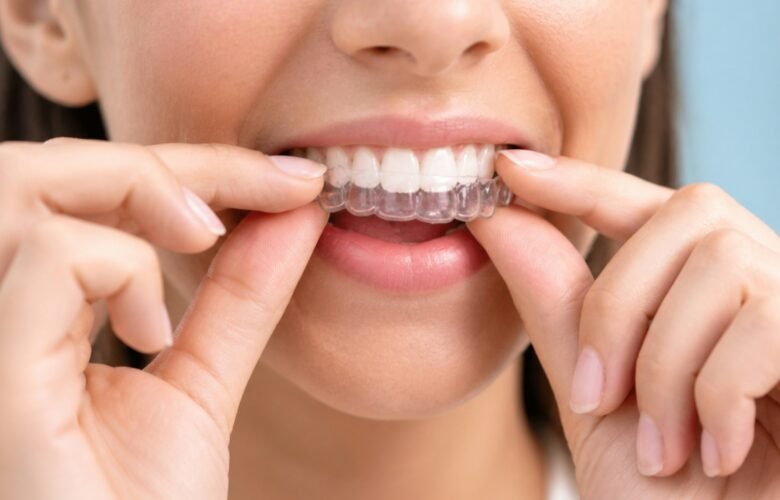
Starting clear aligner treatment can be an exciting step for adults in Hinsdale Lake, Illinois, who want a more discreet orthodontic option. Before beginning, it helps to understand that success depends on more than receiving a series of trays. The daily habits around wearing, eating, cleaning, and storing aligners play an important role throughout treatment. For people considering invisalign for adults, the priority is a professional evaluation. Clear aligners are not identical to traditional braces, and they are not the right solution for every bite or tooth-movement concern. A dental professional can evaluate your oral health, discuss realistic goals, and explain the treatment plan recommended for your situation.
Why a Daily Routine Matters
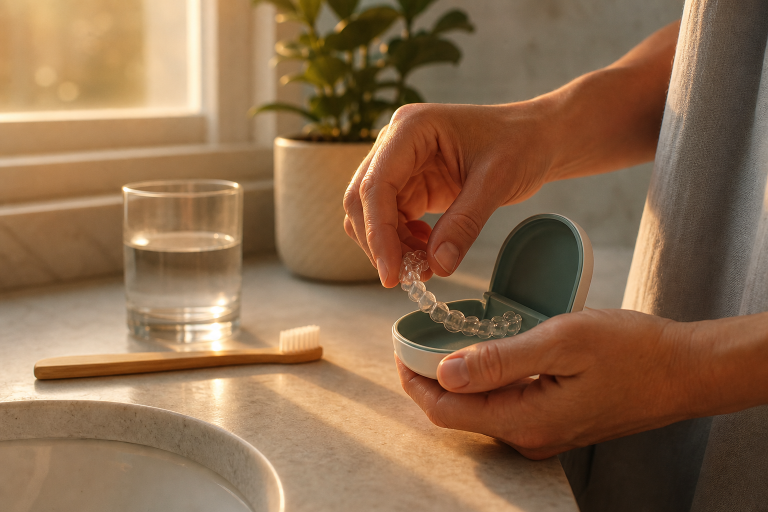
Clear aligners are removable, which is convenient for meals, brushing, and special occasions. That convenience also means the trays can be misplaced or left out longer than planned. A repeatable routine helps reduce those problems. Think in simple steps: remove the aligners, place them in their case, eat or drink, clean your teeth when possible, then put the trays back in. This approach can be especially useful during busy Hinsdale Lake mornings, commutes, office lunches, school schedules, and evenings out. Keeping the case in the same place, such as a purse, backpack, desk drawer, or jacket pocket, makes it less likely that trays will end up wrapped in a napkin or accidentally thrown away.
Wear Time and Treatment Progress
Aligners move teeth through a planned sequence of small adjustments, so consistent wear is essential. The usual clear aligner wear recommendation is about 20 to 22 hours per day, although the exact schedule should always come from the clinician managing your treatment. Removing trays only for meals, drinks other than water, and oral hygiene makes the target more manageable. Rather than estimating wear time, build habits that protect it. Set a timer when you sit down for a meal, return aligners to your mouth soon after cleaning, and use phone reminders if evenings tend to get hectic. Do not move to the next set of trays early just because the current set feels more comfortable. Follow the schedule you were given.
Eating and Drinking with Aligners
In most cases, aligners should come out before eating. This allows you to enjoy a normal range of foods without chewing directly on the trays. It also helps prevent food particles from getting trapped between the aligners and the teeth. At restaurants, place trays directly in the case before the meal rather than setting them on the table or wrapping them in a napkin. Plain water is the simplest choice while aligners are in place. Coffee, tea, soda, sports drinks, wine, and other beverages can leave behind color, sugar, acid, or residue. If you want a morning coffee or an afternoon drink, remove the aligners first, then rinse and clean your teeth before putting them back in when practical.
Keeping Teeth and Trays Clean
Care for Your Teeth
Because aligners cover the teeth for much of the day, good oral hygiene should remain a central part of treatment. The American Dental Association recommends brushing twice daily and cleaning between teeth once a day. Your own dentist may recommend additional steps based on your oral health needs. After a meal or snack, brush before replacing the trays whenever possible. If you are away from home and cannot brush right away, rinse your mouth thoroughly with water and clean your teeth as soon as you can. Frequent grazing can complicate wear time and cleaning, so planned meals and snacks are often easier to manage.
Care for Your Aligners
Rinse aligners with cool or lukewarm water each time you remove them. Clean them daily with a soft toothbrush and the cleaning method recommended by your provider or aligner system. Avoid hot water, which can distort plastic trays, and avoid abrasive toothpaste or harsh household cleaners unless your clinician has specifically instructed otherwise.
A simple morning and evening checklist can help:
- – Rinse the trays.
- – Clean them gently as directed.
- – Brush and clean between your teeth.
- – Rinse and dry the aligner case regularly.
Managing Aligners During Everyday Life
A small aligner kit can make treatment easier when you are away from home. Include the case, a travel toothbrush, toothpaste, floss or another interdental cleaner, and a bottle of water. This is useful for workdays, travel, long appointments, school activities, or a day spent visiting family around the western suburbs. If brushing is not immediately available after lunch, do not leave aligners out for the rest of the afternoon. Rinse your mouth and trays, put the aligners back in, and brush when you have access to a sink. If you lose a tray while traveling, contact your treating dental professional rather than guessing whether to wear the previous or next set.
Common Mistakes to Avoid
- – Eating while wearing aligners.
- – Drinking beverages other than water with trays in place.
- – Leaving trays in a hot car or near a heat source.
- – Storing aligners loose in a pocket, napkin, or tissue.
- – Skipping daily cleaning between the teeth.
- – Using abrasive products to clean the trays.
- – Changing to a new set without professional instructions.
- – Ignoring an aligner that no longer fits or seats properly.
When to Contact Your Dental Professional
Some pressure can be expected when beginning a new aligner set. However, call your dental professional if a tray cracks, warps, is lost, does not fit properly, or has a sharp edge that irritates your mouth. Contact the office promptly for persistent pain, swelling, bleeding, severe sensitivity, or concerns that a tooth is moving unexpectedly. Avoid online do-it-yourself fixes that could interfere with the treatment plan.
Frequently Asked Questions
Can I eat normally with Invisalign?
Because aligners are generally removed for meals, many people can continue eating their usual foods. The key is to store the trays safely and clean your teeth before placing them back in.
Can I drink coffee with aligners?
It is generally best to remove aligners for coffee and other drinks besides water. This helps prevent staining of the trays and beverage residue on the teeth.
Do aligners replace regular dental visits?
No. Orthodontic treatment does not replace routine exams, preventive cleanings, or care for cavities and gum concerns. Continue the dental visits recommended for your individual needs.
Clear aligner treatment does not need to disrupt life in Hinsdale Lake. With steady wear, thoughtful meal habits, thorough cleaning, and safe storage, the routine can become second nature. Personalized guidance should always come first, particularly if your aligners are uncomfortable, damaged, or not fitting as expected.
Conclusion
Starting clear aligner treatment can be a practical orthodontic option for adults in Hinsdale Lake, Illinois, but maintaining a consistent routine is an important part of the process. Aligners offer the convenience of being removable for meals, brushing, and special occasions, while also requiring patients to follow their prescribed wear schedule and care instructions. Removing trays before eating or drinking anything other than water, brushing teeth regularly, and keeping aligners in a protective case can help make daily treatment easier to manage. Patients should also keep their aligners clean, avoid exposing them to excessive heat, and follow the schedule provided by their dental professional rather than changing trays on their own. A small travel kit can make it easier to maintain these habits during workdays, commutes, meals out, or trips. Clear aligners also do not replace routine dental exams and preventive care. If a tray becomes damaged, lost, uncomfortable, or does not fit properly, contacting the treating professional is preferable to making adjustments independently. With consistent wear, good oral hygiene, and professional monitoring, clear aligner treatment can fit more predictably into an adult’s everyday routine.