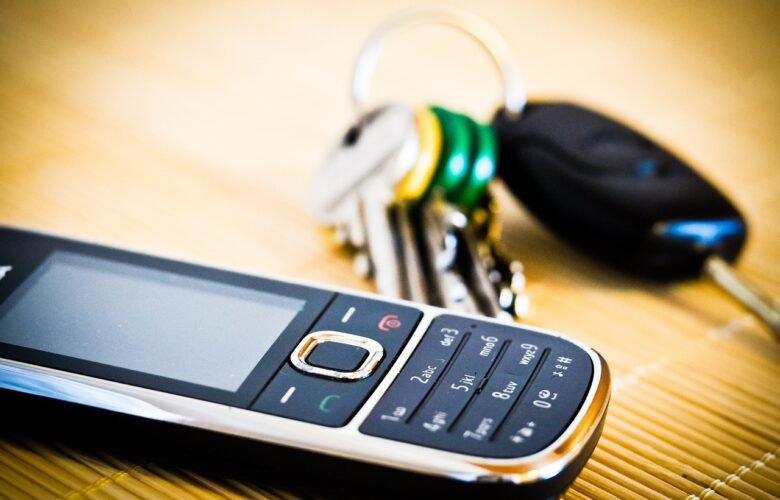
You drop the keys at the counter, catch your flight, and stop thinking about the car. Two weeks later, it’s somewhere across the country with a new driver behind the wheel. Your phone contacts are still in its infotainment system. Your home address is saved as a favorite. The last five places you drove are sitting in the navigation history, and nobody at the counter offered to erase any of it.
None of that data stays in the car, either. Connected-vehicle telematics push location, driving behavior, and paired-phone information back to the manufacturer, the rental company, and sometimes to third parties you never heard of.
The decisions you make in the 48 hours around a rental can shape what someone learns about you months later. And when those decisions come back as a subpoena or an accusation from the rental company, the person you need is a criminal defense attorney, not the customer service line.
Decide Whether to Pair Your Phone at All
Pairing is the single choice that determines how much of you the car keeps. Plug in over USB or connect over Bluetooth, and most infotainment systems will pull down your contacts, your call log, and sometimes your text messages, then hold onto them until someone actively wipes the profile. Peer-reviewed work on rental infotainment systems has documented how routinely this personal data gets left behind, because nothing deletes automatically when the car changes hands.
Decide What to Type Into the Nav Screen
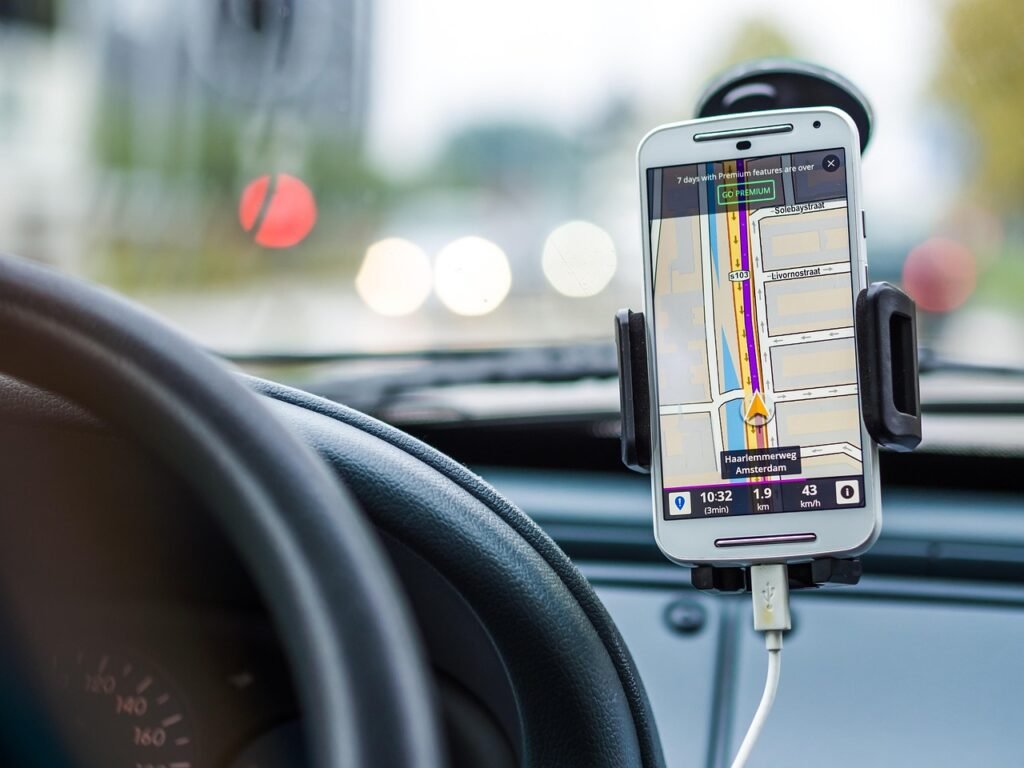
Every address you enter becomes a searchable record. Home, the office, a medical building, a friend’s apartment. The car has no idea which of those you would rather not share, and the next renter can scroll right through the list.
A simple habit helps: enter a nearby cross street or a public landmark instead of the exact address, then finish the last block on your own. It sounds fussy for one trip. It stops being fussy the first time you realize a stranger could reconstruct your week from a dropdown menu.
Decide Who You Trust With the Telematics Feed
The bigger stream runs invisibly. Modern vehicles transmit location, speed, hard-braking events, and diagnostic data back to the manufacturer’s cloud, and the rental company layers its own tracking on top. A Mozilla Foundation review of 25 car brands found none of them met basic privacy and security standards, and the researchers flagged the category as the worst they had ever examined.
You can’t switch the pipeline off from the driver’s seat. What you can do is read the rental agreement’s telematics clause before you sign, ask what data the company shares with insurers or data brokers, and choose a different provider if the answer is vague. Ask in writing. Keep the reply.
Decide How Hard to Push Back When Regulators Catch Up
Enforcement is moving, slowly. The FTC has warned that connected vehicles collect sensitive biometric, geolocation, and telematic information, and that unlawful collection or sharing will draw agency action. State laws are starting to require deletion of personal data at trade-in and to restrict how rental companies use GPS to repossess vehicles.
The practical decision for a driver is whether to file a complaint when something feels wrong, or shrug it off. Complaints are how patterns get built, and patterns are how rules get written. It takes ten minutes.
Decide When to Call a Lawyer, Not Just Customer Service
Most rental data issues are ordinary consumer complaints, but a handful cross into something more serious. If law enforcement contacts you about somewhere the car was driven, if a subpoena lands referencing telematics from a trip you took, or if the rental company accuses you of behavior it says the car logged, you are past the customer service line. Talk to a criminal defense attorney before you answer questions or hand over your phone. Telematics records look precise on a screen and are easier to challenge than most people assume, but only if someone raises the challenge early.
The car forgot you the moment the next renter drove off, but the data it collected didn’t go anywhere. Decide now which parts of the trip you’re comfortable leaving behind, because the wipe screen at the return counter is not going to prompt you.