Key Takeaways
- – The delivery driver’s insurance may pay, but the driver may not be the only potentially responsible party.
- – A delivery company, contractor, vehicle owner, or another motorist may also have a role depending on the facts.
- – Whether the driver was actively working, using a personal vehicle, or operating a company vehicle can affect available coverage.
- – Prompt medical care, careful documentation, and preservation of evidence can matter in a disputed claim.
- – In Las Vegas, crashes near resorts, busy intersections, apartment complexes, and loading areas can involve unique traffic and visibility issues.
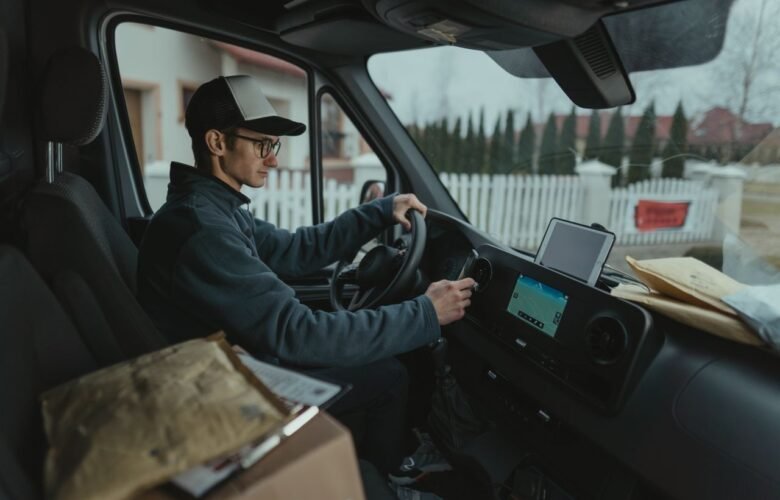
After an Amazon delivery accident or another delivery-related crash in Las Vegas, one of the first questions is simple: Who pays for the damage? The answer can be more complicated than in an ordinary two-car collision because delivery work may involve a driver, a vehicle owner, a contractor, a platform company, and several insurance policies. Payment usually depends on why the crash happened, who employed or contracted with the driver, what vehicle was involved, and whether the driver was working at the time. A company logo on a van, uniform, package, or app does not automatically establish legal responsibility. The evidence must show how the collision occurred and how the driver’s work relationship connects to it.
Table Of Contents
- 1. Why Delivery Crash Claims Are Different
- 2. Potential Sources of Payment
- 3. Why Work Status Matters
- 4. What To Do After the Collision
- 5. Evidence That Can Clarify Responsibility
- 6. Insurance Issues to Watch For
- 7. When Legal Help May Be Useful
- 8. Frequently Asked Questions
Why Delivery Crash Claims Are Different
Las Vegas drivers share the road with delivery vans, box trucks, rideshare-style delivery vehicles, and personal cars used for package, grocery, restaurant, and retail deliveries. A driver may be navigating a crowded Strip corridor, turning into a gated community, stopping near a loading zone, or searching for an apartment building entrance. Those circumstances can lead to sudden stops, obstructed sightlines, unsafe turns, backing collisions, and conflicts with pedestrians or cyclists. Still, the fact that a driver was delivering a package does not decide fault. Investigators and insurers may consider traffic signals, right-of-way rules, speed, following distance, lane position, phone use, weather, road layout, vehicle damage, and witness accounts. Nevada’s crash reporting guidance also explains that crashes involving injury or at least $750 in damage must be reported, with an SR-1 report generally required within 10 days if law enforcement did not investigate the collision.
Potential Sources of Payment
The Delivery Driver’s Insurance
If the driver caused the crash, the driver’s auto liability coverage may be the first potential source of payment for vehicle repairs, medical bills, lost income, and other covered losses. However, personal auto policies can contain exclusions or limitations for commercial delivery activity. Coverage may depend on the policy language and the driver’s precise status during the trip.
The Delivery Company or Contractor
A company may be involved when the driver was acting within the scope of assigned work. This can arise with company-owned vehicles, direct employees, fleet operators, or delivery service contractors. A claim may also raise questions about hiring, training, supervision, route demands, vehicle inspection, or maintenance. Responsibility is fact-specific, and a company may dispute whether the driver was an employee, independent contractor, or otherwise acting on its behalf.
Commercial or Platform Coverage
Some delivery arrangements include insurance coverage that applies while a driver is logged into an app, traveling to a pickup, or transporting an order. The applicable coverage can change between phases of a delivery. That is why trip records, app status, delivery confirmations, GPS information, and dispatch communications may become important.
Other Responsible Parties
Not every delivery crash is solely the delivery driver’s fault. Another driver may have run a red light, changed lanes improperly, or followed too closely. In some situations, a vehicle owner, a repair facility, a manufacturer, or a government entity responsible for roadway conditions may be investigated. More than one party can share responsibility for the same collision.
Why Work Status Matters
The key question is often what the driver was doing at the moment of impact. Was the driver making a scheduled delivery, returning from one, waiting for an assignment, using a personal vehicle after work, or taking a personal detour? The answer may affect which policy applies and whether a business has a connection to the crash. For example, a van loaded with packages and traveling on an assigned route may present a different coverage picture than a driver using a personal car between deliveries. The vehicle’s registration, business markings, insurance information, and electronic records can all help clarify the situation.
What To Do After the Collision
- Put safety first. Move out of traffic if it is safe to do so, turn on hazard lights, and call 911 when there are injuries, blocked lanes, or immediate danger.
- Get medical attention. Some collision-related symptoms, including headaches, neck pain, dizziness, numbness, or abdominal pain, may not be obvious at the scene.
- Exchange information. Obtain the driver’s name, contact details, insurance information, license plate number, and the delivery company or contractor name shown on the vehicle.
- Document the scene safely. Photograph vehicle damage, road markings, traffic signals, debris, nearby signs, and visible injuries. Do not stand in an active lane to take pictures.
- Identify witnesses. Ask for names and contact information from people who witnessed the collision, including employees of nearby businesses when appropriate.
Evidence That Can Clarify Responsibility
Evidence can disappear quickly after a Las Vegas delivery vehicle crash. Nearby hotel, casino, retail, apartment, or gas station cameras may overwrite footage. A delivery company’s vehicle data, route details, inspection records, and driver communications may also become harder to obtain over time.
- – Police reports and dispatch records
- – Photos, dashcam video, and security footage
- – Witness statements
- – Vehicle damage photographs and repair estimates
- – Medical records, bills, and treatment instructions
- – Proof of missed work or reduced earning ability
- – Delivery route, GPS, app, telematics, and maintenance records when available
Insurance Issues to Watch For
Report the collision to the appropriate insurer promptly and keep copies of every claim number, email, estimate, letter, and message. Give accurate basic facts, but do not guess about speed, fault, injuries, or future treatment needs. The other driver’s insurer is not responsible for protecting your interests. Be cautious before accepting a quick settlement or signing a broad medical authorization. A settlement may close the claim before the full cost of treatment, missed work, or vehicle damage is known. Safe driving habits also remain important before any crash occurs, including avoiding distraction and using proper restraints, as emphasized in federal road safety guidance.
When Legal Help May Be Useful
A legal consultation may be worth considering when injuries are serious, fault is disputed, a delivery company denies responsibility, multiple insurers are involved, or key evidence needs to be preserved. A lawyer can assess the available information, identify possible insurance coverage, communicate with insurers, and explain applicable deadlines without guaranteeing a particular result.
Frequently Asked Questions
Does the delivery company always pay?
No. The company may be involved, but payment depends on the driver’s work status, the contractual relationship, applicable insurance, and the facts showing fault.
What if the delivery driver used a personal car?
Personal insurance, delivery-platform coverage, or both may be relevant. The driver’s app status and delivery activity at the time of the crash can matter.
What if the driver says they were off the clock?
That statement is not necessarily the final answer. Delivery records, route information, messages, package details, and vehicle data may help establish what the driver was doing.
Can more than one party pay?
Potentially. A claim may involve multiple drivers, insurers, businesses, or vehicle owners when the evidence shows that more than one party contributed to the collision.
Conclusion
When a delivery driver causes a car accident in Las Vegas, Nevada, payment may come from the driver’s insurance, commercial coverage, a delivery company, or another responsible party, depending on the circumstances of the crash and the applicable insurance policies. Determining which coverage may apply can require reviewing the driver’s employment or contract status, the vehicle involved, the purpose of the trip, and the available evidence about how the accident occurred. The most important steps after a collision are protecting safety, obtaining appropriate medical care, documenting the scene, preserving accident-related records, and keeping track of communications with insurers or other involved parties. Photos of the vehicles and the surrounding area, police or incident reports, witness information, medical records, repair estimates, and insurance documents may help create a clearer record of the event. It is also important to avoid making assumptions about liability before the available evidence has been reviewed. Keeping organized documentation and responding carefully to requests for information can make it easier to understand the potential sources of coverage and address questions about responsibility and damages.