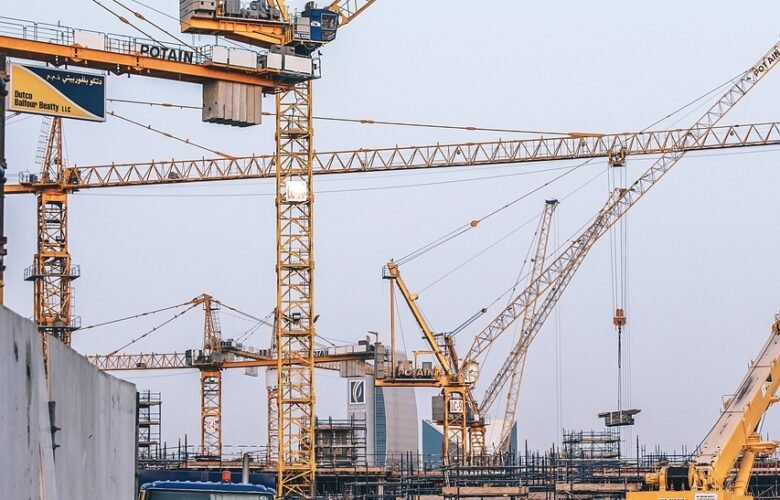
Construction projects in 2026 face higher expectations than ever before. Owners want faster delivery, stronger coordination, better risk management, and facilities that can perform for decades while meeting changing technical and regulatory demands. Navigator International Global Construction meets those expectations by combining broad project experience with an integrated approach that keeps planning, logistics, engineering, and construction working toward the same goal.
Modern Projects Demand More Than Traditional Project Delivery
Today’s large-scale developments involve far more than constructing buildings. Industrial plants, government facilities, transportation infrastructure, energy projects, and commercial developments all rely on teams that can coordinate technical disciplines across multiple phases.
Each decision affects cost, schedule, safety, procurement, and long-term operation. Project success depends on seeing the entire picture rather than treating every task as a separate assignment.
Early coordination helps reduce redesigns, minimizes scheduling conflicts, and keeps project objectives aligned from concept through completion. That broader perspective has become increasingly valuable in global construction as projects continue to grow in scale and complexity.
Integrated Planning Creates Stronger Project Momentum
Large projects gain efficiency when planning remains connected from beginning to end. Engineering, estimating, procurement, scheduling, logistics, and field operations should support one another instead of operating independently. Well-organized planning creates fewer surprises once construction begins.
Consistent communication also keeps project teams moving in the same direction. Design updates, material availability, contractor schedules, and owner requirements change throughout construction, making timely coordination essential.
Nav Int helps connect those moving parts so project decisions continue supporting overall progress instead of creating unnecessary setbacks.
International Experience Supports Changing Project Requirements
Construction teams working across multiple countries often encounter different regulations, permitting processes, workforce practices, environmental standards, and supply chain challenges.
These variables require flexibility without sacrificing quality or schedule. Experience gained across international construction projects helps teams adjust to changing conditions while maintaining project objectives.
Regional knowledge also strengthens decision-making during planning. Understanding local construction practices, infrastructure limitations, transportation routes, and regulatory expectations allows projects to move forward with greater confidence. That preparation often reduces delays that might otherwise appear during construction.
Coordination Across Disciplines Improves Overall Performance
Successful projects rely on cooperation between engineers, architects, construction managers, subcontractors, suppliers, and owners. Mechanical systems must fit within structural designs, electrical infrastructure must support operational demands, and procurement schedules must match installation timelines. Strong coordination allows these disciplines to work together efficiently.
Clear communication reduces conflicts before they reach the field. Regular planning meetings, shared documentation, and coordinated scheduling help identify issues while they remain easier to solve. Navigator International Construction Company places significant value on collaboration because organized teams generally produce better project outcomes.
Supply Chain Planning Has Become Part of Construction Strategy
Material availability continues to influence construction schedules across many industries. Long lead times, transportation challenges, manufacturing delays, and changing global markets require procurement planning to begin much earlier than in previous years. Construction managers now treat supply chain planning as an active part of project delivery rather than a separate purchasing function.
Reliable forecasting helps prevent costly interruptions. Early equipment selection, supplier coordination, shipping management, and inventory planning reduce uncertainty throughout construction. Global construction projects benefit when procurement strategies are developed alongside engineering and scheduling activities.
Mission Critical Projects Require Consistent Oversight
Facilities supporting government operations, transportation, manufacturing, defense, healthcare, and industrial production often remain in service around the clock. These buildings depend on carefully coordinated structural, mechanical, electrical, communication, and safety systems that must perform reliably from the first day of operation.
Quality oversight continues throughout every phase of construction. Inspections, commissioning, equipment testing, system verification, and documentation all contribute to dependable long-term performance. Thorough project management helps ensure completed facilities operate according to design expectations.
Flexible Delivery Models Support Complex Client Goals
Every owner approaches construction with different priorities. Some projects require design-build services, while others depend on construction management, phased delivery, renovation expertise, procurement assistance, or infrastructure coordination.
Flexible delivery methods allow project teams to match services with specific project needs instead of forcing one standard approach. Adaptability also helps projects respond to changing conditions during construction.
Design revisions, schedule adjustments, and evolving operational requirements become easier to manage when experienced leadership remains involved throughout the project lifecycle. International construction continues benefiting from delivery models that can respond effectively without losing momentum.
Global Capability Positions Projects for Long-Term Success
Complex developments require more than technical knowledge alone. They depend on organized planning, disciplined execution, experienced leadership, dependable logistics, and the ability to coordinate teams working across multiple regions and technical disciplines. Bringing those elements together creates stronger project performance from initial planning through final turnover.
Navigator International brings together design-build delivery, engineering coordination, construction management, infrastructure development, procurement support, logistics planning, renovation services, and worldwide project execution to meet the demands of today’s large-scale developments. Through its broad capabilities and practical experience, Navigator International continues helping clients deliver international construction and global construction projects with the structure, flexibility, and technical expertise needed for successful results in 2026 and beyond.