What Should You Do If a Fire Starts in Your Home?
Nobody wants to imagine seeing flames inside their home. But knowing what to do during an electrical fire or another type of house fire can help you react quickly when every second matters.
A fire can begin with something as simple as an overloaded outlet, a cooking pan, a candle, a space heater, or a malfunctioning appliance. What starts as a small fire can spread quickly, especially when curtains, furniture, cabinets, clothing, and other combustible materials are nearby.
The most important fire safety rule is simple:
If you cannot safely put out a very small, contained fire immediately, get out.
Your belongings can be replaced. Your life cannot.
What to Do If You Discover a Fire
If you see flames or smell smoke, don’t spend time trying to figure out exactly what caused the fire.
1. Alert Everyone in the Home
Shout “Fire!” to alert everyone. Get children, older adults, and anyone who may need assistance moving toward a safe exit.
Don’t stop to gather clothing, computers, jewelry, important documents, or other possessions.
2. Get Outside
Leave the home as quickly and safely as possible.
If there is smoke, stay as low as practical while moving toward an exit. Smoke can make it difficult to see and can contain dangerous gases.
If you can safely close doors behind you as you leave, do so. Closing doors can help slow the spread of fire and smoke.
3. Call 911
Once you are safely outside, call 911.
Tell the dispatcher there is a fire and provide your address and any other requested information.
If someone is still inside, tell the dispatcher and firefighters immediately.
4. Stay Outside
This is extremely important.
Never go back inside a burning home.
Even if you suddenly remember your purse, phone, medication, wallet, pet, photographs, or anything else you consider valuable, stay outside and tell firefighters what they need to know.
What to Do During an Electrical Fire
Electrical fires can be especially dangerous because water can create an electrical shock hazard.
Electrical fires can involve damaged cords, overloaded outlets, faulty appliances, power strips, wiring problems, and other electrical issues.
If an appliance begins smoking or catches fire, your first priority is to get yourself and everyone else away from danger.
Never Throw Water on an Electrical Fire
Do not use water on a fire involving energized electrical equipment.
Water can conduct electricity and potentially cause a serious shock.
Instead, use an appropriate fire extinguisher only if the fire is very small and contained, you know how to operate the extinguisher, and you have a clear escape route.
Many household multipurpose ABC fire extinguishers are designed for several common types of fires, including fires involving energized electrical equipment.
If you are unsure about the extinguisher or the fire is growing, leave immediately.
Should You Unplug an Appliance That Is on Fire?
If an appliance is smoking or burning, don’t put yourself in danger trying to unplug it.
If you can safely disconnect the appliance without approaching flames or smoke, you may be able to remove the electrical power.
If reaching the plug requires you to get close to the fire, don’t do it. Get out.
The same rule applies to the electrical panel. Never risk walking through smoke or flames to reach a breaker.
How to Put Out a Small Electrical Fire
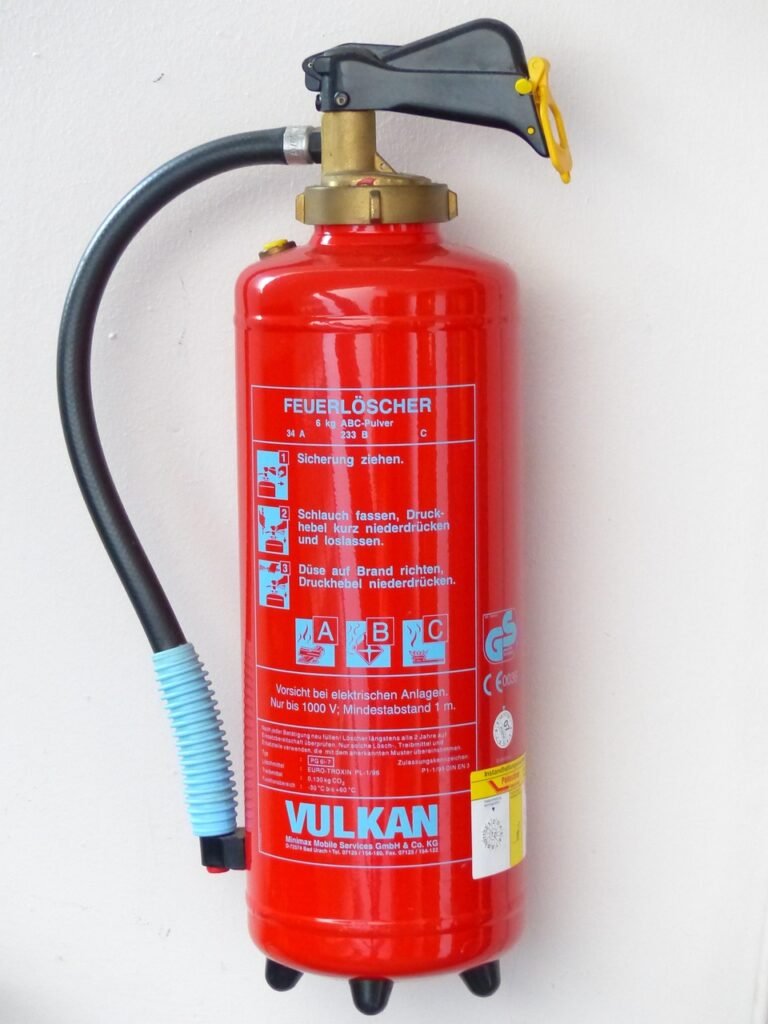
Only consider attempting to extinguish a fire if all of the following are true:
- – The fire is very small and contained.
- – Everyone else has been alerted.
- – Someone has called 911.
- – You have the correct type of fire extinguisher.
- – You know how to operate it.
- – You are not surrounded by smoke.
- – You have a clear escape route behind you.
- – You are physically capable of using the extinguisher.
If any of these conditions aren’t met, get out.
A fire extinguisher is designed to help control a small fire—not to allow you to fight a spreading house fire.
Remember PASS
If you are using a fire extinguisher, remember:
P — Pull the pin.
A — Aim at the base of the fire.
S — Squeeze the handle.
S — Sweep the nozzle from side to side.
Always follow the instructions printed on your specific extinguisher.
What to Do If You Have a Kitchen Fire
The kitchen is one of the most common places for a home fire to begin, so knowing kitchen fire safety is essential.
If a Grease Fire Starts
If cooking oil or grease catches fire in a pan:
Never throw water on it.
Water can cause burning grease to splatter and spread the flames.
If the fire is small and you can safely do so, turn off the burner and carefully cover the pan with a lid or another appropriate cover. Keep the pan covered.
Never pick up a burning pan and carry it outside.
You could suffer serious burns or spread the fire to other parts of the kitchen.
If the fire is growing or you are unsure what to do, get everyone out and call 911.
If Your Oven Catches Fire
If something catches fire inside your oven, avoid opening the oven door unnecessarily.
If you can safely turn off the oven, do so and keep the door closed. If the fire continues or you see smoke or flames escaping, leave the home and call 911.
Don’t take chances with an oven fire.
What If a Microwave or Appliance Catches Fire?
Microwaves, toaster ovens, air fryers, coffee makers, toasters, and other appliances can become fire hazards when they malfunction or are used improperly.
If you see smoke or flames:
- – Alert everyone nearby.
- – If it is safe, disconnect the appliance from power.
- – If the fire is small and contained, use an appropriate fire extinguisher if you know how.
- – If the fire spreads or produces significant smoke, leave immediately.
- – Call 911 from outside.
Don’t assume that a small appliance means a small fire.
What to Do If a Candle Starts a Fire
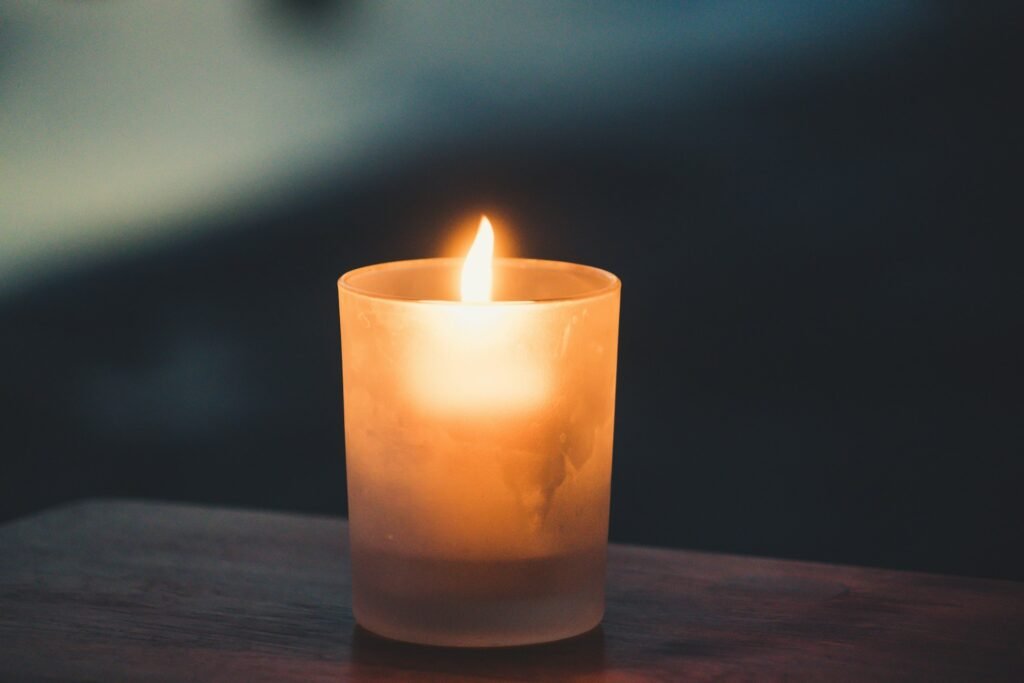
Candles can create a warm and relaxing atmosphere, but they should never be left unattended.
If a candle ignites curtains, paper, decorations, furniture, or another nearby item, don’t take unnecessary risks trying to save the candle.
If the fire is spreading, get out immediately.
For everyday candle safety:
- – Keep candles away from curtains and other flammable materials.
- – Place candles on stable, heat-resistant surfaces.
- – Keep candles away from children and pets.
- – Don’t leave a burning candle unattended.
- – Extinguish candles before leaving the room or going to sleep.
What to Do If Your Clothes Catch Fire
If your clothing catches fire, remember:
Stop. Drop. Roll.
Stop where you are.
Drop to the ground.
Roll back and forth to smother the flames.
Don’t run. Running can cause the flames to spread.
If someone else is on fire, encourage them to stop, drop, and roll if they can.
Once the fire is out, seek medical attention for burns.
What If You Smell Smoke but Don’t See a Fire?
Never ignore an unexplained burning smell.
A burning odor coming from an outlet, appliance, wall, electrical panel, attic, or light fixture could indicate a potentially dangerous problem.
Watch for warning signs such as:
- – Burning plastic smells
- – Smoke
- – Sparks
- – Discolored outlets
- – Warm or hot outlets
- – Flickering lights
- – Buzzing or crackling sounds
- – Melted electrical components
- – Frequently tripped circuit breakers
If you suspect an electrical fire, don’t investigate by taking apart an appliance, opening walls, or getting close to a smoking electrical panel.
Get everyone away from the danger and call 911 if you believe there is an active fire.
For electrical problems that aren’t an immediate emergency, have a qualified electrician inspect them.
What to Do If Your Home Fills With Smoke
Smoke can be extremely dangerous during a house fire.
If you encounter smoke while trying to escape, stay as low as practical and move toward your exit.
Before opening a closed door, feel it with the back of your hand.
If the door is hot, don’t open it.
Look for another way out.
If you cannot safely escape, move into a room where you can close the door between yourself and the fire. Call 911 and tell the dispatcher exactly where you are.
If possible, signal from a window to help firefighters locate you.
What If You Can’t Get Out of the House?
Sometimes flames or smoke can block your normal escape route.
If you’re trapped:
- Close the door between you and the fire.
- Call 911.
- Tell the dispatcher your exact location.
- Keep doors closed as much as possible.
- If possible, block gaps around the door to help limit smoke entering the room.
- Signal from a window so firefighters can find you.
Don’t hide under a bed or in a closet.
You want firefighters to be able to locate you.
Don’t Use an Elevator During a Fire
If you live in an apartment, condominium, or high-rise building, know where the emergency stairs are located.
During a fire, use the stairs rather than an elevator unless firefighters specifically instruct you otherwise.
Know your building’s fire escape routes before an emergency happens.
How to Prevent Electrical Fires
The best way to deal with an electrical fire is to prevent one from starting.
Here are some simple electrical fire prevention tips:
Don’t Overload Outlets
Plugging too many devices into one outlet or power strip can cause overheating.
Replace Damaged Cords
Don’t continue using cords that are frayed, cracked, melted, or otherwise damaged.
Be Careful With Extension Cords
Extension cords are useful for temporary situations, but they shouldn’t replace properly installed electrical outlets.
Avoid using extension cords with major appliances unless specifically designed and approved for that application.
Plug Major Appliances Directly Into the Wall
Major appliances such as refrigerators, washing machines, dryers, and other high-power appliances generally should be plugged directly into an appropriate wall outlet.
Don’t Ignore Warm Outlets
An outlet that feels unusually warm or shows signs of scorching, melting, or discoloration deserves attention.
Have a qualified electrician evaluate questionable electrical components.
Keep Your Smoke Alarms Working
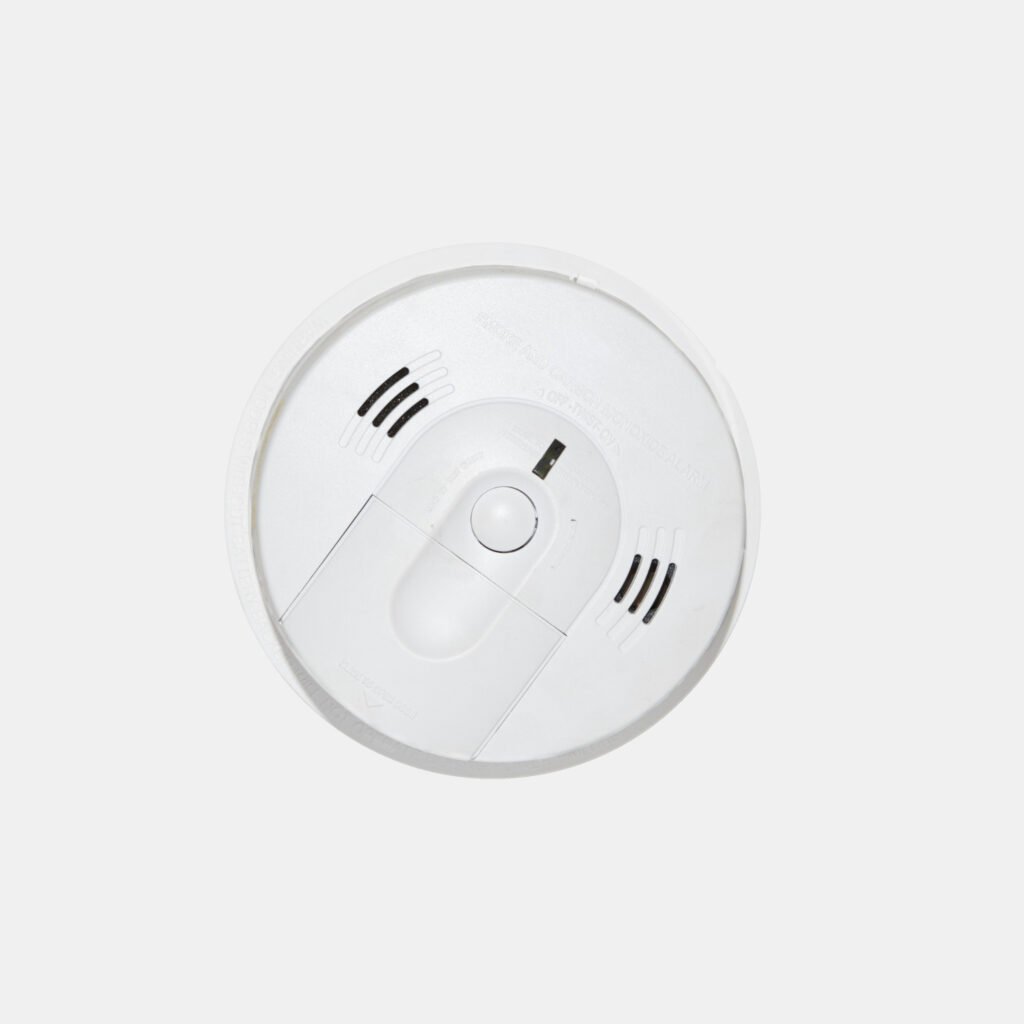
Smoke alarms are one of the most important pieces of fire safety equipment in your home.
Make sure smoke alarms are installed:
- – On every level of your home
- – Inside sleeping areas
- – Outside sleeping areas
Test them regularly according to the manufacturer’s instructions and replace batteries or the entire alarm as recommended.
Don’t disable a smoke alarm because it frequently sounds while cooking. Instead, address the source of the nuisance alarms according to the manufacturer’s guidance.
Create a Home Fire Escape Plan
Don’t wait until there is a fire to figure out how everyone will get out.
Create a home fire escape plan with your family.
Whenever possible, identify two possible ways out of each room.
Choose a meeting place outside your home, such as:
- – A tree
- – A mailbox
- – A neighbor’s driveway
- – A specific location across the street
Everyone should know that once they get outside, they stay outside.
Practice your escape plan so that children and adults know what to do without having to think about it during an emergency.
Where Should You Keep a Fire Extinguisher?
A fire extinguisher should be accessible, but don’t place it somewhere you would have to walk toward a fire to retrieve it.
For example, a kitchen extinguisher should be located where you can reach it without moving toward the stove if a cooking fire occurs.
Consider having appropriate extinguishers in areas where fires could potentially occur, such as the kitchen, garage, or workshop.
Make sure everyone who may need to use one knows where it is and understands how it works.
Your Printable Home Fire Safety Checklist
Download and print this checklist and take a few minutes to walk through your home.
Final Thoughts: When in Doubt, Get Out
A fire can turn into a life-threatening emergency much faster than most people realize. That’s why having a plan before an emergency happens is so important.
If a fire is tiny, contained, and you have the proper extinguisher, training, and a clear escape route, you may be able to extinguish it.
But you never have to prove that you can fight a fire.
If you’re unsure, get out.
Alert everyone. Leave the house. Call 911. Stay outside.
You can replace your home, furniture, electronics, clothing, photographs, and other belongings.
You, your family members, or pets cannot be replaced.
Take a few minutes today to test your smoke alarms, inspect your electrical cords, locate your fire extinguishers, and talk with your family about your escape plan.
A little preparation today could help protect the people you love tomorrow.