
Key Takeaways
- • Understanding common hazards associated with lift equipment
- • Implementing effective training and safety protocols
- • Utilizing appropriate equipment and maintenance practices
- • Fostering a culture of safety and continuous improvement
Creating a safer work environment is essential for reducing accidents, protecting employees, and maintaining operational efficiency. Proper planning, risk assessment, and adherence to safety protocols are fundamental steps in achieving this goal. Ensuring that all equipment is used correctly and maintained regularly helps minimize hazards and fosters a culture of workplace safety. Workers who are well-trained and aware of potential risks can perform tasks more confidently, reducing the likelihood of injuries.
Utilizing the right tools and machinery is a critical component of workplace safety. Equipment such as man lifts provides a reliable way to access elevated areas while minimizing physical strain and the risk of falls. Regular inspections, operator training, and adherence to manufacturer guidelines further enhance safety when using these devices. By combining practical procedures with the proper use of equipment, organizations can create work environments that prioritize both efficiency and staff well-being.
Common Hazards in Lift Operations
Lift operations expose workers to serious risks, including falls from height, electrical shocks, equipment tip-overs, and load instability. Recognizing these hazards is a critical first step to controlling them. According to the U.S. Bureau of Labor Statistics, falls remain one of the leading causes of workplace fatalities, especially in environments where lifts are present. By acknowledging the types of incidents that can occur, such as collisions, mechanical failure, and improper use, you can implement preventive systems that protect both personnel and property. Companies with structured safety programs regularly achieve significantly lower incident rates than industry averages, with some reporting reductions of up to 85%.
Additional Hazards to Watch For
- • Overloaded platforms are causing mechanical failure
- • Insufficient fall protection or guardrails
- • Lack of visibility, especially in busy work zones
- • Trades working above, below, or near running lifts
Effective Training and Safety Protocols
Quality training forms the foundation of workplace safety. Operators, spotters, and anyone working near lifts must receive initial and ongoing training to stay up to date on safe practices and equipment changes. According to industry research, ongoing safety meetings and daily toolbox talks can reduce recordable incidents by up to 78%.
- • Hands-on training in proper lift operation and controls
- • Instruction on safe loading, movement, and positioning
- • Emergency procedures and response drills
- • Situational awareness, such as spotting hazards at height
A standard safety protocol checklist, including pre-shift inspections and the proper use of personal protective equipment (PPE), is essential for any operation. Providing clear instructions and posted procedures at job sites helps reinforce correct behavior and expectations.
Proper Equipment Use and Maintenance
Consistent, thorough maintenance is crucial to safe lift operation. Scheduling regular inspections not only reduces the likelihood of faults but also prolongs the lifespan of your equipment. Ignoring required service intervals or rushing checks can lead to preventable malfunctions. One study from the International Journal of Industrial Ergonomics emphasizes the importance of maintenance protocols in preventing structural and mechanical failures that may lead to tip-over incidents and injuries.
Creating a Maintenance Schedule
- • Regularly check brakes, hydraulics, and safety features
- • Log each inspection and service activity
- • Follow manufacturers’ specifications for part replacements
- • Promptly remove faulty equipment from use until repaired
Using the proper type of lift for each task is just as important as routine care. Not all lifts are suited for every environment or job requirement, so ensure compatibility and load rating are followed precisely.
Building a Culture of Safety
Instituting a safety-centric culture is about more than following procedures. When employees see leaders participating in safety initiatives and actively supporting hazard reporting, adherence to protocols increases. Data from safety advocacy organizations indicate that management involvement can nearly halve incident rates. Consistently acknowledging safe behavior and rewarding attentive workers builds collective responsibility and encourages ongoing vigilance.
Emergency Preparedness and Response
No matter how effective your prevention plans are, emergencies can still arise. Preparation ensures incidents are managed smoothly and with minimal harm. Developing specific response plans for different emergency scenarios, including equipment failure, falls, power outages, or worker injury, is essential. Conduct drills at regular intervals so that everyone knows evacuation routes, shutdown procedures, and who to contact in a crisis. Stocking accessible emergency supplies and communicating their locations to all employees is equally vital to a quick, effective response.
Compliance with Safety Regulations
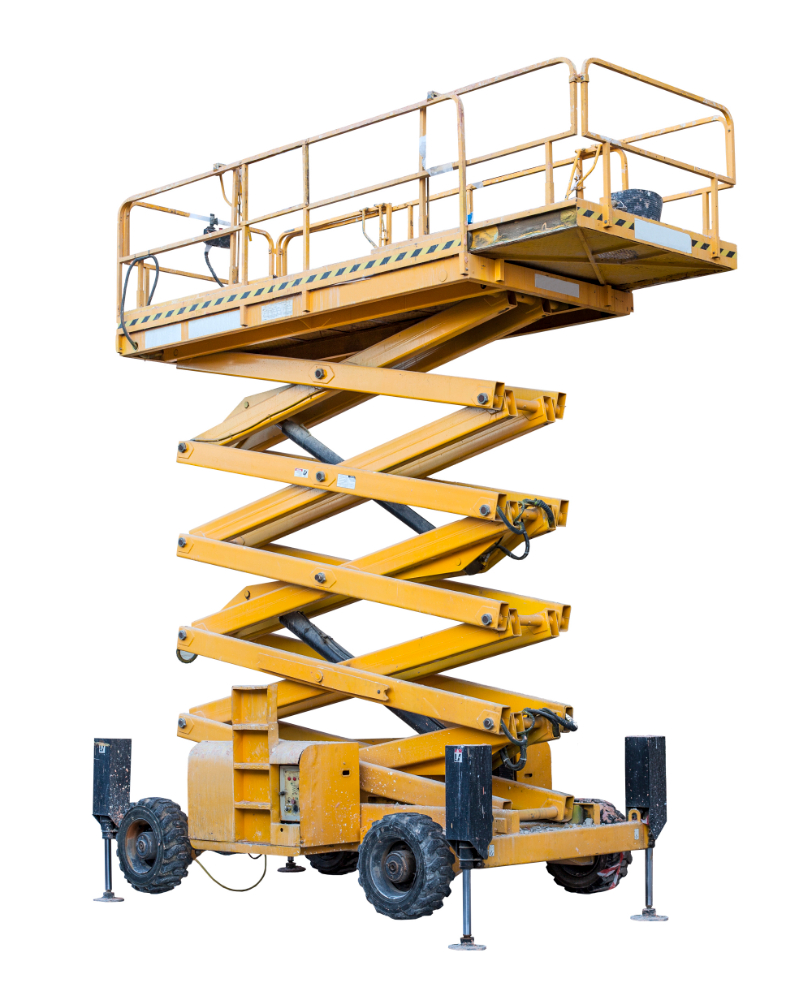
Adhering to recognized safety standards, such as those from OSHA or ANSI, is not merely a regulatory hurdle but a primary means of safeguarding personnel. Regulatory compliance includes documentation of training, equipment inspection records, and adherence to specific rules for working at height or around hazardous machinery. Businesses are responsible for staying informed on updates to local and international safety codes. The OSHA Aerial Lifts Standard is an invaluable resource for employers in the United States.
Continuous Improvement and Feedback
Safety is never static. By encouraging regular feedback and protocol reviews, organizations can adapt to new challenges, technologies, and work processes. Implementing easy channels for employees to suggest improvements ensures everyone has a voice in safety matters, leading to more buy-in and better outcomes overall. Holding regular reviews and updating policies using feedback and industry data helps keep safety efforts relevant and effective.
Conclusion
Reducing risks associated with lift equipment demands a holistic approach. The combination of thorough training, reliable maintenance, active leadership, and regulatory compliance provides robust protection against workplace incidents. By prioritizing a safety-first mindset and continuously refining strategies, organizations can not only protect their workforce but also secure long-term business success.