
Have you ever spent an afternoon baking your favorite cookies, creating beautiful crafts, tending to your garden, or taking photographs and thought, I wonder if I could actually make money doing this? Your favorite hobby could become more than a way to spend your free time! Discover 12 hobbies that can turn into a work-from-home business, along with practical tips for getting started.
Well, girl, you might be sitting on a business idea without even realizing it!
Many successful home-based businesses begin with something people already enjoy doing in their spare time. A hobby can provide a creative outlet, a sense of accomplishment, and an opportunity to earn extra income. With a little planning, your favorite pastime could become a side hustle that fits around your family, your schedule, and your lifestyle.
The best part? You don’t necessarily need a fancy office, a huge investment, or a business degree to get started. Many hobbies can be tested on a small scale before you commit to turning them into a full-time business. Opportunities range from selling handmade products and offering online services to creating digital products and sharing your expertise with others.
Let’s explore some hobbies that could become your next work-from-home adventure!
1. Crafting and Handmade Products
Are you the creative friend who always makes the cutest gifts? Do you enjoy making jewelry, candles, wreaths, personalized gifts, knitted accessories, or seasonal decorations?
Your creative talents could become a small business!
Handmade products appeal to customers looking for thoughtful gifts, unique home decorations, and items they cannot easily find in big-box stores. You could specialize in a particular product or create a small collection of items for different occasions.
What could you sell?
- – Handmade earrings, necklaces, and bracelets
- – Personalized mugs, tote bags, and gift baskets
- – Seasonal wreaths and holiday decorations
- – Knitted scarves, crocheted blankets, and baby gifts
- – Handmade greeting cards and scrapbook supplies
- – Decorative candles and home accessories
You can sell your creations through online marketplaces, your own website, social media, or local craft fairs. Online marketplaces such as Etsy can provide a starting point for reaching shoppers interested in handmade goods. Etsy Seller Handbook: guidance for selling handmade and other eligible products through Etsy.
Girl-boss tip: Start with a few products instead of filling your home with supplies for dozens of projects. See what customers like before investing in more materials. Remember to include the cost of supplies, packaging, selling fees, and your time when setting prices.
2. Baking and Decorating Cakes

If your idea of a relaxing afternoon involves flour on the counter and something delicious in the oven, baking might be more than a hobby.
Home bakers can build businesses around specialty cookies, decorated cakes, cupcakes, brownies, bread, or treats for birthdays and other celebrations.
You might focus on beautifully decorated sugar cookies, custom birthday cakes, holiday desserts, or a signature recipe that friends and family already rave about.
There are several ways to turn baking into income:
- – Take custom orders for birthdays, showers, and celebrations.
- – Create seasonal treat boxes for holidays.
- – Specialize in a particular type of baked good.
- – Teach virtual baking or cake-decorating classes.
- – Develop downloadable recipe collections or baking guides.
Before accepting orders, check your state’s cottage food laws and local requirements. These rules may cover which foods you can prepare at home, labeling, sales methods, and permits. Food allergies and safe food handling also deserve careful attention.
Girl-boss tip: You don’t need a bakery full of equipment to begin. Start with a small menu of items you make exceptionally well, calculate your costs carefully, and build your reputation through quality and reliable service.
3. Photography
Do you love capturing beautiful sunsets, adorable pets, family moments, flowers, or everyday details that other people might overlook?
Photography is a hobby that can grow into several types of businesses, depending on your interests and equipment.
You could sell landscape prints, offer product photography to small businesses, photograph family events, or license suitable images through stock photography platforms.
If you prefer working from home, product photography can be especially appealing. Small businesses often need attractive images for websites, online shops, social media, and advertising.
Other possibilities include:
- – Selling digital photographs and art prints
- – Creating stock photography collections
- – Photographing handmade products for online sellers
- – Editing photographs for clients
- – Offering basic photography lessons online
- – Creating photo books or personalized gifts
Girl-boss tip: Build a small portfolio that showcases your best work. You can begin with personal projects or sample shoots, then approach potential customers whose needs match your style. Make sure you understand image licensing and obtain appropriate permission before selling or publishing photographs of identifiable people.
4. Writing, Blogging, and Content Creation
Do you enjoy writing stories, sharing advice, researching interesting topics, or helping people solve everyday problems?
Writing could open the door to a flexible work-from-home business.
You might write articles for websites, create newsletters, produce product descriptions, edit documents, or help businesses develop useful content for their customers.
Blogging is another possibility. If you have a passion for cooking, fashion, beauty, gardening, travel, family life, or personal development, you could create a blog around that subject.
Ways to earn money through writing and blogging include:
- – Freelance writing for businesses and publications
- – Editing and proofreading
- – Creating blog posts and website copy
- – Selling downloadable guides and e-books
- – Affiliate marketing through relevant product recommendations
- – Sponsored content and advertising, once your audience grows
- – Creating an email newsletter or paid educational content
Keep in mind that blogging usually takes time to build an audience, and advertising or affiliate income is not guaranteed. Freelance writing and editing may offer a more direct route to finding paying clients.
Girl-boss tip: Choose a topic you genuinely enjoy and identify the people you want to help. Publish useful content consistently, learn the basics of search engine optimization (SEO), and build a portfolio that shows potential clients what you can do.
5. Sewing, Knitting, and Crocheting
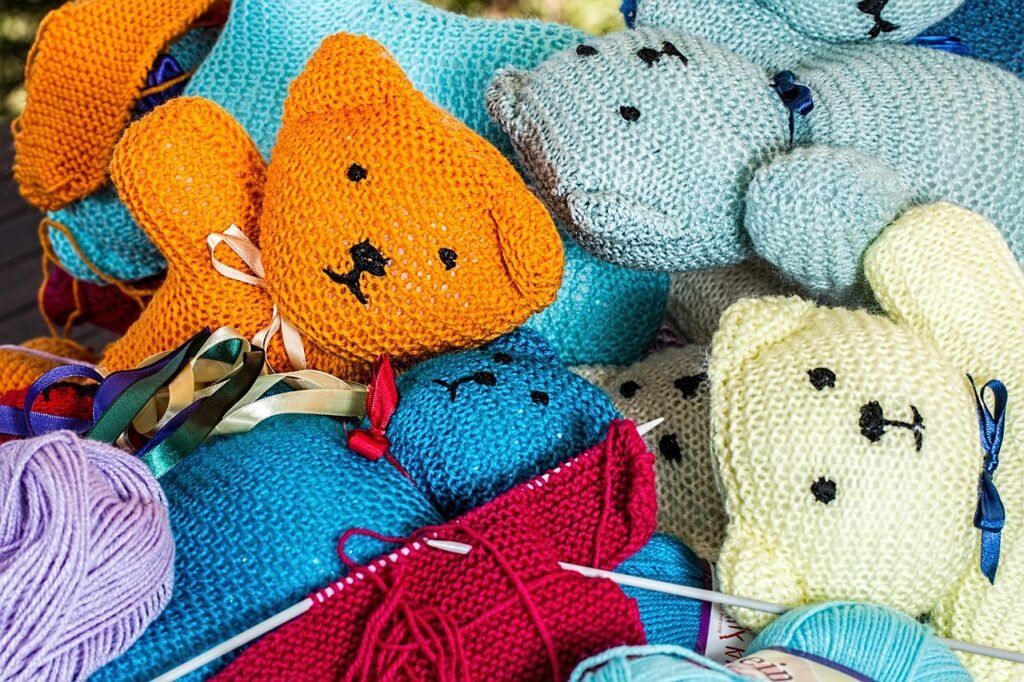
If you love working with fabric, yarn, and a little imagination, you may be able to turn your needlework into a business.
Handmade clothing accessories, baby blankets, personalized gifts, and home décor can appeal to customers who appreciate unique, carefully made products.
You could sell finished items, accept custom orders, offer clothing alterations where appropriate, or teach others how to develop their own skills.
Another option is to create digital patterns for people who enjoy sewing, knitting, or crocheting themselves.
Digital patterns can be especially attractive because you create the instructions once and can sell copies repeatedly, although you will still need to market your work and provide customer support.
Girl-boss tip: Consider specializing in a recognizable niche, such as handmade baby gifts, pet accessories, seasonal decorations, or beginner-friendly crochet patterns. Keep track of the time required for each item so that your prices reflect the work involved.
6. Gardening and Plant Care
Do your houseplants look fabulous while everyone else’s seem to be staging a dramatic farewell? Are you the person friends call when they need help choosing flowers or keeping a garden alive?
Your green thumb could become a business opportunity.
Depending on what you enjoy and what is permitted in your area, you could sell propagated plants, grow herbs, create container gardens, offer virtual gardening consultations, or produce gardening guides.
Potential business ideas include:
- – Selling suitable potted plants and herbs
- – Creating custom container gardens
- – Selling gardening journals and planting planners
- – Offering online advice for beginner gardeners
- – Creating instructional videos or a gardening blog
- – Designing printable seasonal planting calendars
Some plant-related businesses may require local permits or compliance with nursery, plant-health, or shipping regulations, particularly when selling certain plants across state lines.
Girl-boss tip: Start with plants you already know how to grow successfully. Document your process with photographs and helpful tips. Your experience can become valuable content that attracts customers and helps establish your credibility.
7. Cooking and Meal Planning
If family and friends regularly ask for your recipes, you might be able to turn your kitchen creativity into a business without necessarily selling prepared food.
For example, you could create weekly meal plans, develop recipe e-books, teach online cooking classes, or start a food blog featuring your favorite dishes.
You could also specialize in a particular audience, such as busy families, beginner cooks, budget-conscious shoppers, or people looking for simple meal-preparation ideas.
Possible products and services include:
- – Printable weekly meal planners
- – Grocery shopping lists and recipe bundles
- – Virtual cooking lessons
- – Recipe development for food brands
- – Cooking videos and tutorials
- – A subscription newsletter featuring new recipes
If you decide to sell prepared meals or other food products, investigate the relevant food safety and licensing requirements first.
Girl-boss tip: Think about the cooking questions people ask you most often. A collection of practical, tested recipes or a helpful meal-planning guide could be an excellent first product to develop.
8. Graphic Design and Digital Products
Do you enjoy designing invitations, organizing information into attractive layouts, or experimenting with colors and fonts?
Graphic design and digital product creation can turn that interest into a home-based business.
Digital products are downloadable items customers can purchase online. Because they do not require physical inventory or shipping, they can be a convenient option for people who want to work from home.
Ideas include:
- – Printable calendars and planners
- – Budget worksheets and household organizers
- – Wedding invitations and party printables
- – Social media templates for small businesses
- – Digital greeting cards
- – E-books and educational workbooks
- – Printable checklists and activity sheets
You can create designs using beginner-friendly tools, provided you follow their licensing terms and have the rights to use the elements in products you sell.
Girl-boss tip: Solve a specific problem rather than creating something simply because it looks pretty. A well-designed planner for a particular audience may be more useful than a generic planner competing with thousands of similar products.
9. Sewing, Upcycling, and Furniture Makeovers

If you love visiting thrift stores, browsing flea markets, or giving old items a fresh look, upcycling could become a creative side hustle.
Many people enjoy finding secondhand treasures but lack the time, tools, or imagination to transform them.
You could refinish small furniture pieces, restore decorative items, personalize home accessories, or turn unwanted materials into something new.
Ways to earn money include:
- – Selling refinished side tables and chairs
- – Upcycling picture frames and decorative accessories
- – Creating custom home décor
- – Offering small furniture makeover services
- – Sharing tutorials and selling project guides
Girl-boss tip: Begin with smaller projects that are easy to store, photograph, and transport. Keep a record of purchase prices, supplies, labor, and selling costs so you know whether each project is actually profitable.
10. Tutoring and Teaching Online
Sometimes a hobby becomes valuable because you know how to teach it to someone else.
Perhaps you play an instrument, speak another language, enjoy drawing, have strong computer skills, or are especially good at helping children understand school subjects.
You may be able to offer virtual lessons, individual tutoring, group classes, or prerecorded courses.
Consider teaching:
- – Music or beginner art
- – A language you speak fluently
- – Sewing, crochet, or other crafts
- – Computer basics and everyday technology
- – Academic subjects you are qualified to teach
- – A specialized skill you have developed through experience
You can hold lessons through video conferencing tools and use online scheduling and payment systems to manage bookings.
Girl-boss tip: Choose one subject and one type of student to start. A clear offer, such as beginner crochet lessons or conversational language practice, makes it easier for potential customers to understand what they will receive.
11. Organizing and Decorating
Are you the friend who can transform a cluttered closet into a beautifully organized space? Do you enjoy rearranging furniture, planning color schemes, or making small rooms feel more inviting?
Your love of organization and decorating may translate into a service business.
Depending on your skills, you could provide virtual decluttering consultations, closet organization plans, home styling suggestions, or personalized shopping lists.
You could also create downloadable products such as:
- – Decluttering checklists
- – Room-by-room organizing plans
- – Moving and unpacking planners
- – Seasonal decorating guides
- – Printable household cleaning schedules
Virtual consultations allow you to work with customers in different locations without traveling to their homes.
Girl-boss tip: Use before-and-after photographs of your own projects, with personal information removed, to demonstrate your approach. Be clear about whether you provide advice remotely or hands-on organizing services.
12. Beauty, Personal Care, and DIY Projects
Do you enjoy experimenting with hairstyles, nail art, makeup techniques, or homemade beauty projects?
There are several ways to explore a business related to personal care, including creating beauty tutorials, teaching makeup techniques, offering appropriately qualified services, or developing educational content.
You might create a beauty blog, film beginner-friendly tutorials, publish printable beauty planners, or offer virtual consultations within your area of expertise.
If you want to sell homemade soaps, cosmetics, or skincare products, research applicable safety, labeling, insurance, and regulatory requirements. Products applied to the skin need particular care, and natural ingredients are not automatically safe for everyone.
Girl-boss tip: Build your business around a skill you can demonstrate confidently. Focus on useful, honest advice and avoid promising medical or skincare results you cannot substantiate.
How to Choose the Right Hobby for Your Home Business
With so many possibilities, how do you decide which hobby deserves your time and attention?
Start by looking at the intersection of three things: what you enjoy, what you do well, and what people are willing to pay for.
Ask yourself these questions:
- Do I enjoy this activity enough to do it regularly? A hobby may feel different when deadlines and customer expectations are involved.
- Who would buy what I make or offer? Identify a specific group of potential customers.
- How much money do I need to get started? Consider supplies, equipment, software, packaging, and marketing.
- Can I fit this business into my schedule? Think about family responsibilities, available workspace, and the time needed to complete orders.
- Can I make a reasonable profit? Include your labor, expenses, and selling fees when calculating prices.
- Is there a way to test the idea before investing heavily? A small pilot project can teach you a great deal about demand.
You do not need to answer every question perfectly before you begin. The goal is to make an informed first move instead of spending a fortune on an idea that has not yet been tested.
A Simple Plan for Turning Your Hobby Into a Business

Ready to explore the possibility? Here is a practical way to get started without feeling overwhelmed.
Step 1: Choose One Business Idea
Pick one hobby and one product or service. For example, instead of launching a shop with every craft you know how to make, begin with personalized gift baskets or handmade earrings.
A focused offer makes it easier to understand your costs and reach the right customers.
Step 2: Research Your Potential Customers
Look at similar businesses, customer reviews, online marketplaces, and social media discussions. What do customers like? What problems do they mention? Are there opportunities to offer something different?
Research can help you identify a niche, but remember that competitors’ popularity does not guarantee that your business will be successful.
Step 3: Calculate Your Startup Costs
List the expenses you expect to have, including:
- – Materials or equipment
- – Packaging and shipping
- – Website or marketplace fees
- – Software and subscriptions
- – Advertising and promotion
- – Permits, insurance, or other applicable business expenses
Start with the essentials and avoid purchasing large quantities of supplies until you have evidence that customers want your products.
Step 4: Create a Small Sample or Portfolio
Make a few products, prepare sample designs, write several example articles, or photograph your work.
Your goal is to show potential customers what you can do. You do not need hundreds of examples to begin presenting a clear, professional offer.
Step 5: Find Your First Customers
Share your work through appropriate social media channels, an online marketplace, a simple website, local community groups, Instagram, or personal referrals.
Be specific about what you offer and how customers can contact you. Follow each platform’s rules and avoid sending unsolicited promotional messages.
Step 6: Track Your Money
Keep records of sales, expenses, fees, and the time you spend working. Revenue is not the same as profit, and a busy business is not necessarily a profitable one.
If you operate in the United States, remember that business income may have tax implications even when your business begins as a small side hustle. Consult the IRS and relevant state or local authorities for requirements that apply to your situation.
Step 7: Grow at a Comfortable Pace
Once you understand what customers want, you can refine your products, adjust your prices, improve your marketing, or add related offerings.
There is no rule saying your hobby must become a full-time business. It can remain a small source of extra income if that best fits your lifestyle.
Common Mistakes to Avoid When Starting a Hobby Business
Turning a passion into income is exciting, but a little preparation can help you avoid unnecessary headaches.
Spending too much too soon: Avoid investing in expensive equipment, bulk supplies, or elaborate branding before you have tested demand.
Underpricing your work: Materials are only part of the cost. Include your time, packaging, platform fees, and other expenses.
Trying to appeal to everyone: A clearly defined customer group can make your marketing more effective.
Expecting instant income: Finding customers and developing a reliable sales process takes time. Early earnings may be modest or inconsistent.
Ignoring business requirements: Check any applicable tax, licensing, food safety, insurance, copyright, and consumer protection rules before launching.
Forgetting to protect your personal information: Use sensible account security practices, strong passwords, and separate business contact details where practical. Be cautious of supposed clients who ask you to pay unusual upfront fees or send money back from an overpayment.
Most importantly, remember that a hobby business should support your goals, not become a source of constant stress.
Final Thoughts: Your Next Business Idea Might Be Hiding in Your Hobby
You do not always need to invent something completely new to start a business. Sometimes, the opportunity begins with something you already love doing.
Perhaps you enjoy baking, creating beautiful crafts, writing, gardening, organizing, or teaching others. Each of these interests could become a starting point for a small business that brings in extra income while allowing you to use your talents.
The secret is to begin with a realistic plan, learn what customers need, and give yourself room to grow.
So, take a look at the hobbies that make you happiest. Which one could you imagine sharing with the world? Your next creative adventure might just become a rewarding work-from-home business!